


What is Gunwale of a Boat or Ship?
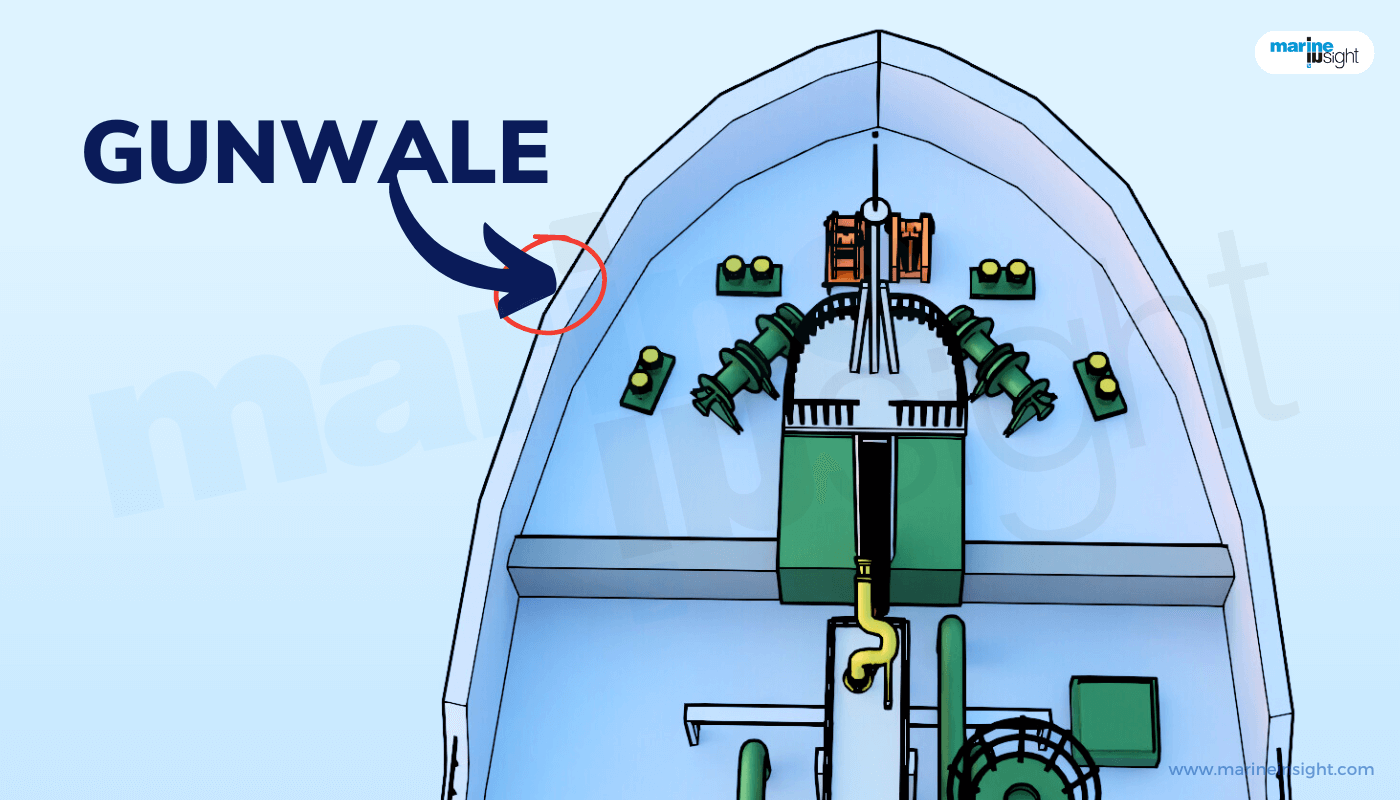
Shipbuilding terminology owes its etymology to various cultures, practices, industrial influences, applications, and other factors. The gunwale of a boat, pronounced “gunnel” and not “gun whale,” is a seemingly simple yet critical vessel component.
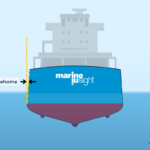
On a boat or a ship, the gunwale denotes the upper edge where the hull and deck converge.
This article delves into the gunwale’s multifaceted significance, considering its historical origins, contributions to structural integrity and safety, and diverse modern-day applications.
The name gunwale borrows from a similar term called the gun ridge. Although nearly all boats feature a gunwale, this edge was initially known as a “gun ridge,” a band strong enough to support the weaponry employed on a warship (it does consider additional stiffening and load distribution characteristics to consider ship strength and stability).
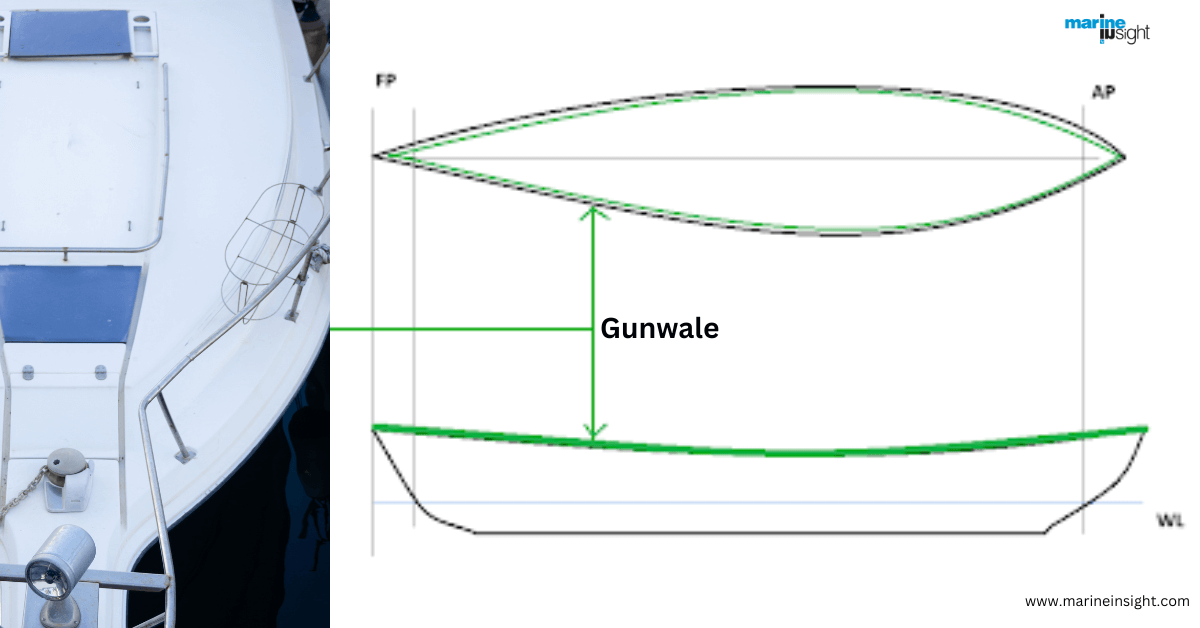
In modern times, the association with onboard gun equipment no longer applies, but it remains a crucial design component with functional uses.
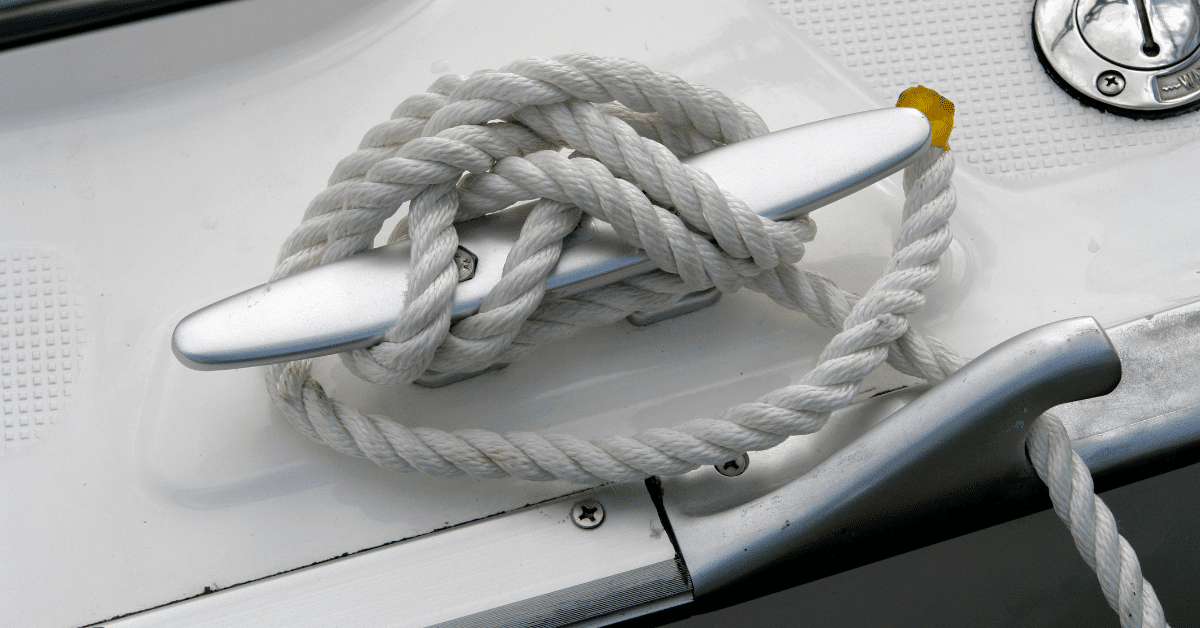
Generally speaking, docking and mooring are indebted to the gunwale. Fastening lines and fenders to this particular section (gunwale) secure the boat to a dock or another vessel.
In certain boats (and ships), the gunwale may be fortified (adding additional strength and protection) or broadened to accommodate fixtures like rod holders or cleats as well (image below). They also prevent wearing the shell plates at the edge or rim and any further structural compromises that may arise from long-term use.
In addition, the gunwale, for smaller boats, may also protect against water splashing or accumulating over the deck. This is when sailing in choppy waters, where waves can wash over the sides easily. Not to forget, sometimes, they may be used to access different parts of the boat (if wide enough, can be walked or stood upon) and store equipment (for example, in fishing boats).
So, in conclusion, it is important to note the function of a gunwale extends beyond just being referred to as the “edge”. It serves a range of purposes based on the vessel type.
Let me know your feedback, thoughts, and any other ship term you would like to read such an analysis for, in the comments below!
You might also like to read-
- What is Stowage Factor?
- What is an Emergency Wreck Marking Buoy?
- What are Isogonic Lines?
- What is Fendering?
- What Are Cardinal Marks?
Do you have info to share with us ? Suggest a correction



Latest Naval Arch Articles You Would Like:




Subscribe To Our Newsletters
By subscribing, you agree to our Privacy Policy and may receive occasional deal communications; you can unsubscribe anytime.