
Take FREE Online Maritime Courses
Important Mooring Decks On Ships
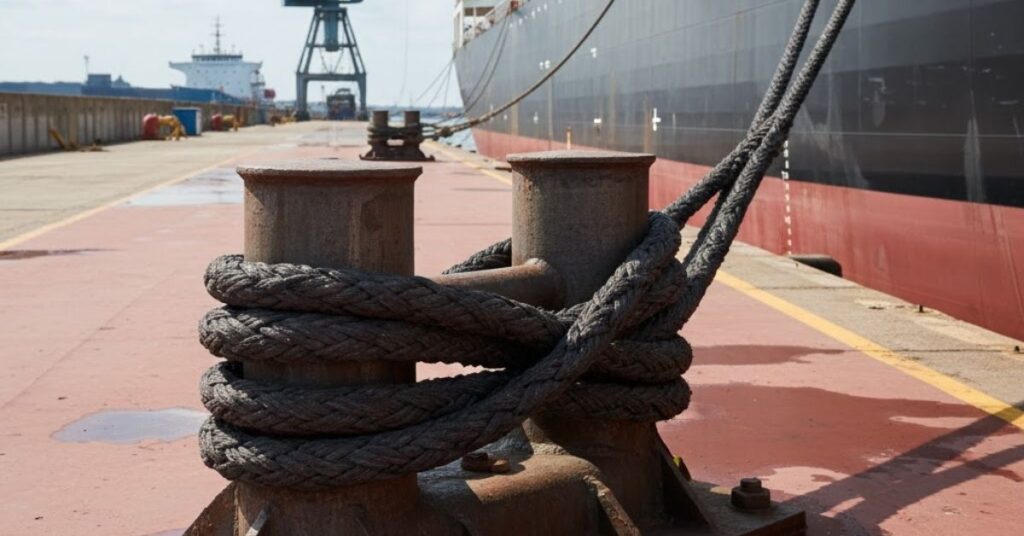
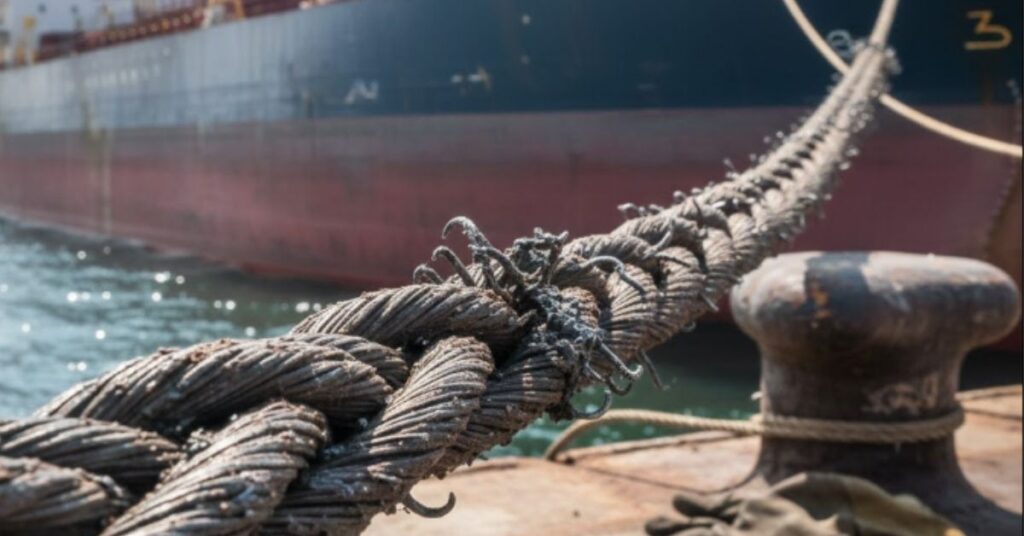
For most visitors, a ship’s mooring decks appear to be little more than open spaces fitted with winches, ropes, and steel fittings. But for a seafarer—especially those handling mooring operations—these decks represent some of the most critical and hazardous working zones onboard. The positioning of equipment, layout of the decks, and sequence of line handling all depend on a clear understanding of where the mooring stations are and how they function.
A Guide to Mooring Operations Onboard Ships highlights how proper awareness of mooring decks directly contributes to safety and efficiency. Below is an overview of the primary mooring decks found on merchant vessels, each with its own operational purpose and challenges.
1. The Forward Mooring Deck
Located at the bow, the forward mooring deck is where a ship begins most berthing operations. It houses key mooring equipment such as mooring winches, storage drums, pedestal fairleads, and bollards, as well as the windlass and anchor-handling gear. Seafarers working here must manage multiple tasks simultaneously—deploying lines, controlling tension, operating the windlass, and monitoring the anchor.

This area is also exposed to strong winds and spray, which can complicate communication and visibility. Because of the higher number of running lines and the proximity to anchors, the forward mooring deck demands exceptional alertness and clear teamwork. Even a brief lapse in situational awareness can create a dangerous snap-back scenario.
2. The Aft Mooring Deck
The aft mooring deck is equally vital, though the equipment layout and operational pressures differ from the bow. It is here that stern lines and aft springs are handled—lines crucial for preventing excessive vessel movement during berthing and unberthing.

Unlike the forward deck, the aft mooring deck is influenced heavily by the vessel’s manoeuvring behaviour. As the ship swings or moves astern, line tension can change rapidly. The arrangement of mooring winches, capstans, roller fairleads, and chocks is designed to ensure smooth lead angles, but the crew must remain vigilant. A misjudged line lead or a sudden surge can exert unpredictable forces on the system.
Communication with the bridge team is essential, as the stern plays a major role in vessel control during confined-water operations. The aft mooring station is also where tugboats frequently make fast, adding another layer of coordination.
3. The Midship Mooring Stations
On larger vessels—particularly tankers—a midship mooring deck or platform may be provided. These stations are strategically positioned to offer additional control during berthing, especially when handling breast lines used to keep the vessel tight against the quay.
Midship mooring stations reduce the burden on forward and aft winches by distributing line loads more evenly across the vessel. They are also safer for line handling in certain port configurations where direct line leads from the bow or stern would create sharp angles or excessive strain.
Despite their advantage, midship stations are often compact and can become congested during operations. Crew working here must maintain careful coordination with other mooring teams to avoid conflicting line movements.
4. Enclosed or Partial Mooring Decks on Specialised Vessels
Certain ship types—such as LNG carriers, ice-class vessels, and some offshore units—feature partially or fully enclosed mooring decks. These designs protect mooring gear from environmental exposure, especially in freezing or high-wind conditions.

While safer from weather hazards, enclosed decks introduce new considerations: reduced visibility, restricted movement, and echoing noise that makes verbal communication difficult. Ventilation, lighting, and emergency access routes, therefore, become crucial factors in safe operation.
Chapter 5 explains how these specialised layouts require tailored procedures and continuous equipment inspection due to limited natural exposure.
Conclusion
Mooring decks may vary in design across ship types, but their purpose remains the same: to provide controlled, secure handling of the lines that keep a vessel safely alongside. Understanding the characteristics of each mooring deck allows seafarers to anticipate risks, follow proper line-handling sequences, and coordinate effectively with the bridge team.
This article offers only a high-level view of the most important mooring decks found onboard. The ebook A Guide to Mooring Operations Onboard Ships covers detailed deck layouts, equipment arrangements, operational procedures, safety precautions, and several other essential concepts that cannot be fully explored here.
You might also like to read-
- 5 Important Types of Mooring Every Deck Officer Should Be Aware Of
- All About Mooring And Mooring Master
- 10 Important Points to Remember During Mooring Operation On Ships
- What is Mooring of Ships?
- Avoiding “Death Traps on Ships” – Understanding Dangers of Mooring Operation
Disclaimer :
The information on this website is for general purposes only. While efforts are made to ensure accuracy, we make no warranties of any kind regarding completeness, reliability, or suitability. Any reliance you place on such information is at your own risk. We are not liable for any loss or damage arising from the use of this website.

About Author
Karthik, a former navigating officer now turned into a maritime tech innovator focused on advancing the shipping industry through digital transformation. As the co-founder of MarineGPT and a product leader at Marine Insight, he develops AI-driven solutions and tech tools to make knowledge accessible to maritime professionals worldwide.
Disclaimer :
The information on this website is for general purposes only. While efforts are made to ensure accuracy, we make no warranties of any kind regarding completeness, reliability, or suitability. Any reliance you place on such information is at your own risk. We are not liable for any loss or damage arising from the use of this website.
Related Articles

⚓️ Enhance Your Knowledge. Prevent Accidents. Stay Safe at Sea.
1. eBooks for Engine Department
Master machinery operations, troubleshooting, and safety procedures with expertly written guides tailored for marine engineers. Prevent costly breakdowns and onboard accidents through practical knowledge.
👉 Explore Engine Department eBooks
2. eBooks for Deck Department
Sharpen your seamanship, navigation, and cargo-handling skills with real-world case studies and practical insights designed for deck officers and cadets.
👉Discover Deck Department eBooks
3. eBooks on Electrical Fundamentals & Issues
Understand marine electrical systems, identify potential faults, and prevent onboard electrical failures with step-by-step explanations from industry experts.
4. Pocket Guides for Quick Reference
Compact, handy, and loaded with essential checklists—perfect for on-the-go reference during operations and emergencies at sea.
5. Combo Packs to Save Big
Access multiple expert eBooks at discounted prices. Ideal for professionals seeking complete safety and operational knowledge across various ship departments.
6. Digital Maritime Courses – Learn at Your Own Pace
Upgrade your competence with Marine Insight Academy’s online courses. Learn from industry professionals anytime, anywhere, and become a safer, smarter seafarer.
Subscribe To Our Daily Newsletter
By subscribing, you agree to our Privacy Policy and may receive occasional deal communications; you can unsubscribe anytime.
BE THE FIRST TO COMMENT