
Highest Ransoms Paid to Pirates Ever
Maritime piracy poses a threat to global shipping as pirates target commercial vessels for ransom, stealing cargo and kidnapping crew members to fulfil other motives, mainly political. Despite international efforts to deal with maritime piracy, it still persists in many hotspots driven by socio-economic and political factors. This article outlines the highest ransoms ever paid to pirates.
Maritime piracy has been in the world for more than 3000 years, with its earliest documented incidents in the 14th century BC, when the Sea Peoples raided ships in the Aegean and Mediterranean regions.
Piracy surged in several parts of the world during the Golden Age of Piracy, which spanned from the 1650s to 1730s, in which it flourished in the Indian Ocean, North Atlantic and the Caribbean, with the rise of many famous pirates, eyeing colonial trade routes and the valuable cargoes ships carried.
Modern-day piracy persists due to a lack of economic opportunities, corruption, poverty and other factors.
Irene SL Hijacking, 2011
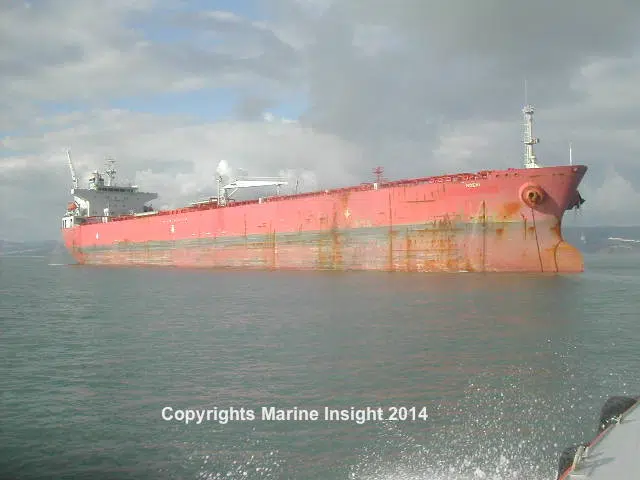
The Irene SL hijacking is one of the most prominent maritime piracy incidents due to the record-breaking ransom paid for its release.

On February 9, 2011, the Greek-owned VLCC was captured by Somali pirates around 350 nm southeast of Muscat, Oman, while en route from Mina Al Ahmadi, Kuwait, to the U.S Gulf Coast.
The VLCC was loaded with 2 million barrels of crude oil worth 200 million dollars and had 25 crew members.
After being in captivity for 58 days, the crew was released in April 2011, after a ransom of $13.5 million was paid, the highest recorded ever. All the crew members were thankfully reported safe after being released.
This piracy incident drew international attention since it brought forth the escalating scale and reach of Somali pirates, and their ability to target large, high-value ships from the Somali coast.
After this shocking incident, the maritime industry realised how vulnerable the global oil supply routes are, and it led to calls for greater cooperation and increased naval patrols on these routes to fight piracy. This case remains a striking example of the financial and security risks posed by maritime piracy.
SMYRNI Hijacking, 2012
The SMYRNI hijacking was one of the major successful attacks on a large oil tanker by Somali pirates.

The incident unfolded on May 11, 2012, when the Greek-owned oil tanker MV Smyrni, loaded with 135,000 tonnes of crude oil and a 26-member crew, was hijacked by Somali pirates in the Arabian Sea close to Oman when it was sailing to Indonesia.
After remaining captive for 10 months, the ship and crew were released when a ransom of $ 9.5 million was paid to the pirates, and the ship was directed to a port of refuge, said to be Salalah, Oman. This case is remembered due to the high ransom paid to pirates for the ship and the crew’s safe release.
Samho Dream Hijacking, 2010
Another case where one of the highest ransoms had to be paid was the Samho Dream hijacking incident.
The Samho Dream was a South Korean supertanker sailing under the Marshall Islands Flag. It carried crude oil worth $160 million and had a 24-member crew when it was hijacked by Somali pirates, 600 nm off the Somali coast on April 4, 2010.

The ship and its crew were kept in captivity for more than 7 months or 217 days, and were released on November 6, 201,0, after a ransom of $9 to $9.5 million was paid. This was one of the biggest ransoms ever paid to Somali pirates at the time. It was delivered by helicopter.
After this incident, the ship was escorted safely by a South Korean Destroyer. The ship’s owner faced financial issues and filed for bankruptcy protection, with the ship eventually being sold after it arrived in Hong Kong due to non-payment of bank loans.
MV ABDULLAH Hijacking, 2024
This Bangladeshi-flagged bulk carrier was hijacked on March 12, 2024, about 550 nm off the coast of Somalia in the Indian Ocean.
It had a 23-member crew and carried a cargo of coal from Mozambique and was on its way to the UAE.
However, pirates boarded the ship in a brazen attack, making the most significant piracy incident in many years. They took the ship and its crew and anchored it close to the town of Harardhere, said to be a pirate haven.
Though the pirates demanded a high ransom, it was settled after a month of negotiations with the ship’s owner.

Finally, a $5 million ransom was paid in cash via airdrop on April 13, 2024, and the crew and ship were set free on April 14, 2024, after spending 32 days in captivity.
The Indian Navy and other forces escorted and supported the vessel after its release. This recent incident led to growing concerns about the resurgence of piracy in Somalia and prompted calls for increased vigilance and patrols in the region.
The case got a lot of media attention since it was the biggest ransom case involving pirates since piracy declined in the region after 2012.
It also highlighted the weak maritime security in the Indian Ocean and the risks associated with merchant shipping, even in this modern age where we have advanced security systems on vessels and other safeguards.
Why Maritime Piracy Persists?
Nothing can help if the root causes of maritime piracy are not addressed. For instance, in Somalia, poverty due to a lack of livelihood opportunities, coupled with political instability, has driven traditional fishermen to piracy and theft, raising crime rates.
When there is civil unrest and the government is weak or corrupt, it enables piracy since there is now a fear of law enforcement.
Overexploitation of coastal regions by big companies or foreign actors might also push locals to take desperate measures to secure an income and feed their families, driving piracy and other activities like cargo thefts for a ransom.

These issues need to be talked about, and laws focusing on solving them need to be made in order to free regions like Somalia from the clutches of maritime piracy.
Additionally, increased naval presence in these regions is a must to secure ships, along with harmonising laws relating to piracy incidents and strengthening the coastal nations’ naval fleet. AI and other systems can come in handy for real-time monitoring of suspected pirate vessels and detecting unusual activity in the piracy-prone areas.
Apart from Somalia, there are other regions where maritime piracy is a major issue. These include the Gulf of Guinea, the Gulf of Aden, the Strait of Malacca, the South China Sea, Nigeria, Benin, the Singapore Strait, etc.
What Do The Stats Say?
According to the International Maritime Bureau, around 45 piracy and armed robbery cases were recorded across the world in Q1 2025, 50% higher than the number of cases reported in the same period in 2024.
Singapore Strait has become the most piracy-affected region and accounts for 27 out of 45 incidents. This corridor borders Indonesia’s Batam and is now seen as the global epicentre of piracy risks.
In the Singapore Strait, 92% of targeted vessels were successfully boarded, and pirates here often target bulk carriers and oil tankers, weighing above 100,000 DWT. 4 ships were hijacked, and another 4 faced attempts at boarding.
In the Gulf of Guinea, piracy is a persistent threat, with 13 crew members kidnapped in early 2025. The region is prone to ship hijackings and crew abductions.
Pirates are evolving and using tactics such as utilising hijacked vessels as mother ships to increase their range of operations and launch attacks far from the shores.
The IMB and maritime security experts highlight the increasing dangers to safety, especially in Southeast Asia’s congested shipping lanes, where ships sometimes slow their speed and become a target of lurking pirates.
Navies, such as the Indian Navy, have conducted effective anti-piracy operations in the Indian Ocean region to safeguard commercial shipping.
Combined Task Force 151 and Africa-India Key Maritime Engagement exercises have focused on cross-border cooperation to fight maritime piracy.
You might also like to read-
- Biggest Ship Seizure in the History of Maritime Piracy
- What Are The Causes of Maritime Piracy in Somalia Waters?
- 10 Maritime Piracy Affected Areas around the World
- The Menace of Maritime Piracy and Somali Pirates – Is There a Solution?
Disclaimer :
The information on this website is for general purposes only. While efforts are made to ensure accuracy, we make no warranties of any kind regarding completeness, reliability, or suitability. Any reliance you place on such information is at your own risk. We are not liable for any loss or damage arising from the use of this website.


About Author
Zahra is a maritime writer with 6 years of technical writing experience spanning port operations, offshore wind, oil and gas, and maritime policy. Her analytical edge...Read More ->
Disclaimer :
The information on this website is for general purposes only. While efforts are made to ensure accuracy, we make no warranties of any kind regarding completeness, reliability, or suitability. Any reliance you place on such information is at your own risk. We are not liable for any loss or damage arising from the use of this website.
Related Articles


Subscribe To Our Daily Newsletter
By subscribing, you agree to our Privacy Policy you can unsubscribe anytime.


BE THE FIRST TO COMMENT