Using propulsion forces, ships are able to manoeuvre themselves in the water. Initially while there were limited number of ship propulsion systems, in the present era there are several innovative ones with which a vessel can be fitted with.
Today ship propulsion is not just about successful movement of the ship in the water. It also includes using the best mode of propulsion to ensure a better safety standard for the marine ecosystem along with cost efficiency.
Some of the various types of propulsion systems used in ships can be enumerated as follows:
1. Diesel Propulsion
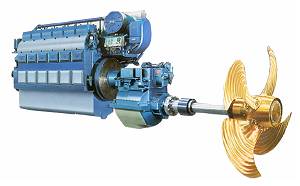
Diesel propulsion system is the most commonly used marine propulsion system converting mechanical energy from thermal forces. Diesel propulsion systems are mainly used in almost all types of vessels along with small boats and recreational vessels.
2. Wind Propulsion
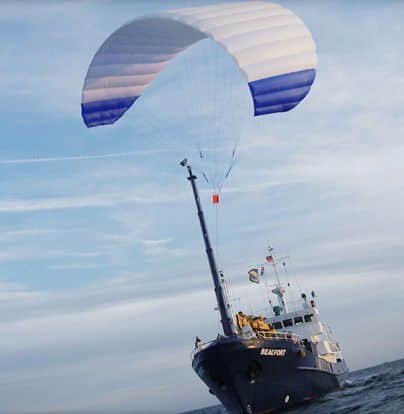
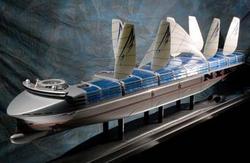
Wind propulsion emerged as an alternative to those systems which emit huge quantities of CO2 gases in the marine atmosphere. However, the usage of wind turbine marine propulsion has not started extensively in large commercial ships because of a requirement of constant windiness. Two wind propulsion systems for ships that have become lately are- kite propulsion and sail propulsion for merchant ships.
3. Nuclear Propulsion
Naval vessels incorporate the usage of nuclear maritime propulsion. Using the nuclear fission process, nuclear propulsion is a highly complex system consisting of water reactors and other equipments to fuel the vessel. The nuclear reactors in the ships are also used to generate electricity for the ship. Several merchant ships are also being planned to be constructed with this propulsion system
4. Gas Turbine Propulsion
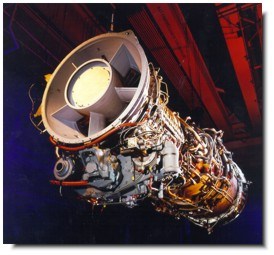
Gas turbine propulsion is used for naval as well as non-naval ships. In case of naval ships, the gas turbine propulsion system aids in faster movement of the ships which is necessary in case of the ship coming under attack.
5. Fuel Cell Propulsion
Fuel cell propulsion systems use hydrogen as the main fuel component. Electricity is created in the fuel cell without any combustion whatsoever. The process is clean and therefore has been regarded as a very important alternative marine propulsion system. There are various types of propulsion under the fuel cell propulsion head like PEM (Photon-Exchange-Membrane) and the molten-carbonate systems.
6. Biodiesel Fuel Propulsion
Biodiesel propulsion has been deemed as a potential marine propulsion system for the future. Currently tests are being carried out to find out about the viability of this propulsion system which is expected to be in full operation by the year 2017.
7. Solar Propulsion
Solar propulsion for ships was utilised for the first time in the year 2008. Solar propulsion benefits include a high reduction in the poisonous carbon dioxide emissions. Solar propulsions are capable of generating a capacitance as high as 40 kilowatts (kW).
8. Steam Turbine Propulsion
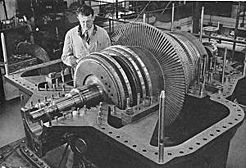
Steam turbine propulsion involves the usage of coal or other steam-generating fuels to propel the vessel. Steam turbine maritime propulsion system was highly utilised between the late 19th and the early 20th century.
9. Diesel-Electric Propulsion
In simple terms, diesel-electric ship propulsion systems use a combination of a generator operated by electricity attached to a diesel motor. The technology has been in use since the early 1900s. In today’s times, submarines and merchant ships incorporate the diesel-electric propulsion system to propel themselves.
10. Water-Jet Propulsion
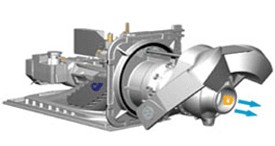
Water-jet propulsion has been used since the year 1954. The most important advantage of water-jet propulsion is that it does not cause noise pollution and offers a high speed to the vessels. In contrast the water-jet propulsion as a ship propulsion system is costlier to maintain which can cause problems to the user.
11. Gas fuel or Tri Fuel Propulsion
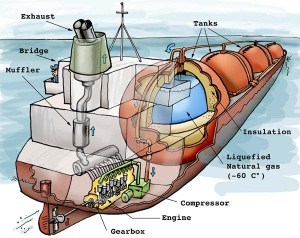
LNG fuel is now utilised to be burnt in the Main Engine after adopting some modification in the propulsion engine to reduce emission from the ship. It is known as tri fuel because it can burn gas fuel, diesel and heavy fuel.
The various types of propulsion systems offer their own unique advantages to a vessel. Depending on the necessity and the requirement, the best type of ship propulsion system needs to be fitted. Only then the vessel will be able to offer its optimum service capacitance.
By subscribing, you agree to our Privacy Policy and may receive occasional deal communications; you can unsubscribe anytime.
13 Comments
I like this domain most and I wish I will be able one day to discover a new type of propulsion system
A new propulsion system is almost here. The De Maria Marine Turbine Is in final testing .This unit will replace the ship propeller, provide more thrust to propel the ship, and will reduce operating costs by lowering fuel use.
i am an oiler, i am searching for a job
technology is a heart of the world development, i love so much mechanical engineering ,let us together work hard so that we can face challenges which is always generated by the world so that to live as we want keep it up
well written. thanks a lot.
I’ve always been interested in marine propulsion since 1979 when I begun working in the Marine industry.
I’m always tinkering with ideas for propultion and hull design,
I know there’s always a better way.
Maybe one day I can get one of my ideas out before someone else gets it.
Please add:
– Full electric propulsion
– Hydrogen fuel cell
– Methane fuel cell
I sincerely wish to say that the marine technology is improving imensly and am so happy about that.
All the presented propulsion’s are from XI century. Why not something new? like ZFP energy of Quantum Vacuum, which is free???
well understood
????
yo guys and girls you for got about the peddle boot
In wind propulsion there can be Flettner Rotors also which work on the principle of magnus effect, these are also called as Rotor Sails.











I like this domain most and I wish I will be able one day to discover a new type of propulsion system
A new propulsion system is almost here. The De Maria Marine Turbine Is in final testing .This unit will replace the ship propeller, provide more thrust to propel the ship, and will reduce operating costs by lowering fuel use.
i am an oiler, i am searching for a job
technology is a heart of the world development, i love so much mechanical engineering ,let us together work hard so that we can face challenges which is always generated by the world so that to live as we want keep it up
well written. thanks a lot.
I’ve always been interested in marine propulsion since 1979 when I begun working in the Marine industry.
I’m always tinkering with ideas for propultion and hull design,
I know there’s always a better way.
Maybe one day I can get one of my ideas out before someone else gets it.
Please add:
– Full electric propulsion
– Hydrogen fuel cell
– Methane fuel cell
I sincerely wish to say that the marine technology is improving imensly and am so happy about that.
All the presented propulsion’s are from XI century. Why not something new? like ZFP energy of Quantum Vacuum, which is free???
well understood
????
yo guys and girls you for got about the peddle boot
In wind propulsion there can be Flettner Rotors also which work on the principle of magnus effect, these are also called as Rotor Sails.