What are Trans-Shipment And Trans-Shipment Ports?
Do you know the difference between direct shipments and trans-shipments? Do you know about the top transhipment ports of the world and the upcoming ones? Read the article to know!

Do you know the difference between direct shipments and trans-shipments? Do you know about the top transhipment ports of the world and the upcoming ones? Read the article to know!
What happens when a large tanker or ship breaks down and is not able to limp to the nearest port? Read the article to find out about Maritime Towage And Salvage.
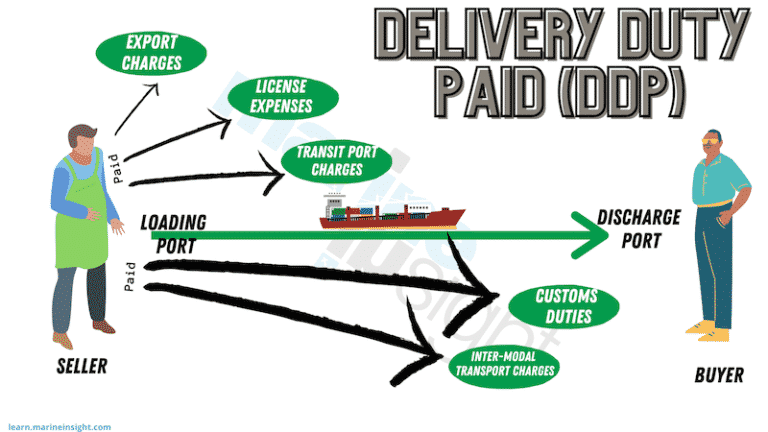
In international commercial transactions, the terms Delivery Duty Paid (DDP) and Delivery Duty Unpaid (DDU) are used to indicate two different types of sales and shipping transactions. Find out about their importance in the article.
Supply chain resilience is characterised by the preparedness of an organisation to meet sudden and disruptive events that affect its business performance negatively.
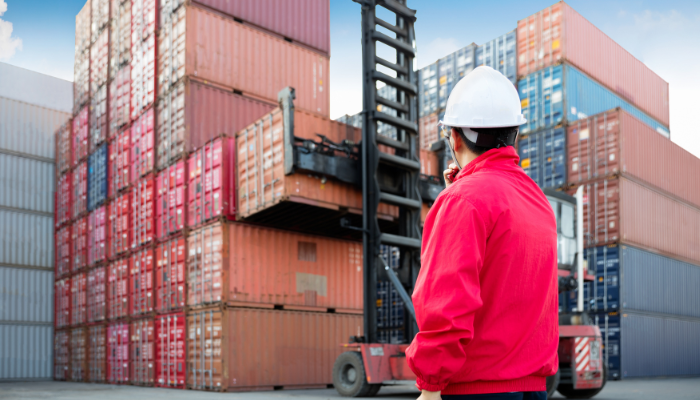
The logistics of relief goods, rescue equipment, relief infrastructure, aid workers, and victims in a disaster are referred to as humanitarian logistics. Read this article to find out more!
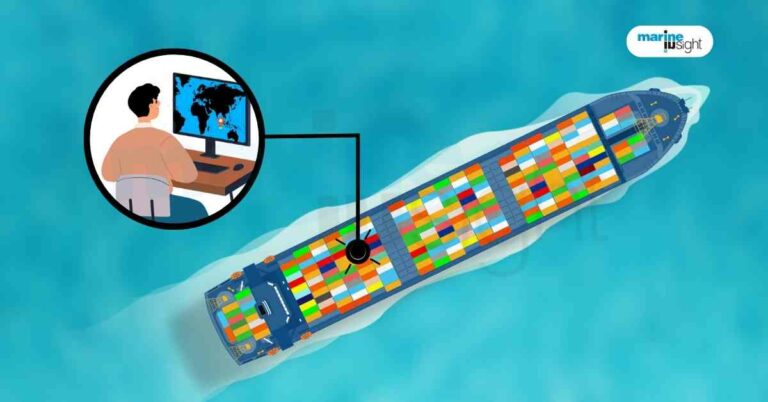
Do you know that 29 trillion worth of cargo was transported across the globe last year using multimodal containers? These containers can be tracked by businesses using container tracking systems. Read the article to find out more!
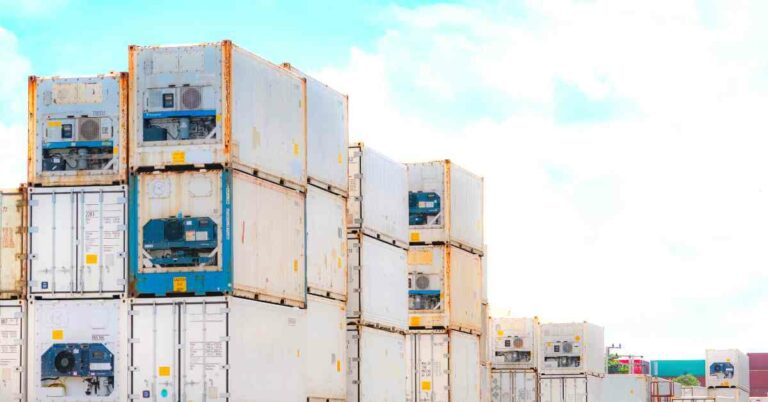
Shipping containers of various sizes contribute more than 90% to cargo transportation globally. This article will look at the Non-Operating Reefer Or NOR Shipping Container.
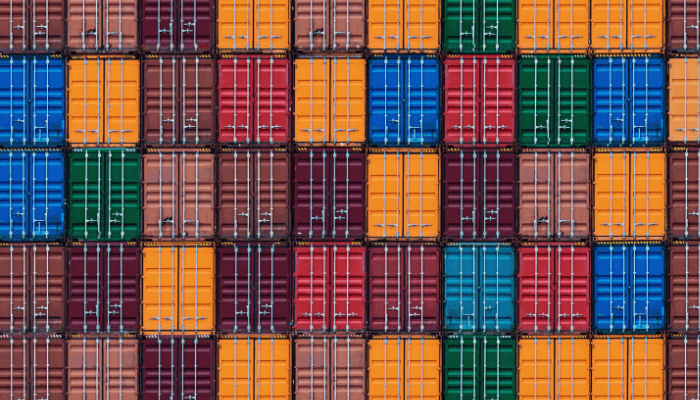
As the name suggests, a one-trip or single-use shipping container is a new container that has been used only once for carrying cargo. After completing the single trip, it is sold to another buyer.
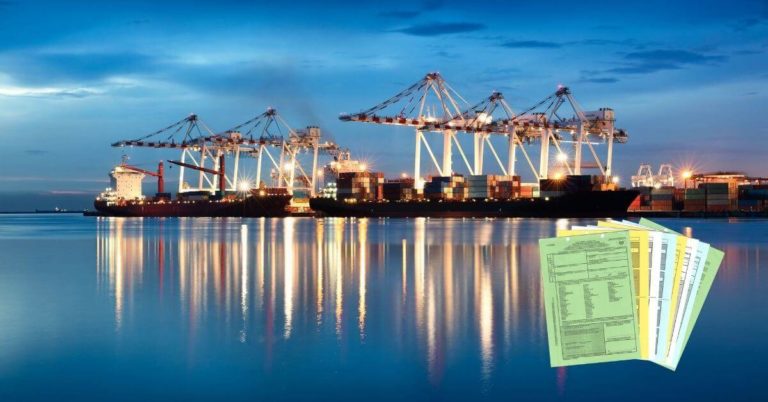
The acronym ATA stands for ‘temporary admission’ or ‘admission temporaire’ in French. It is an international agreement between customs authorities of certain countries that allows for the movement of goods between these countries without having to pay customs duty or having to move the goods through a bond.
"*" indicates required fields