
Key Concepts In Maritime Insurance
Maritime insurance forms the backbone of modern shipping by converting unpredictable sea risks into manageable commercial exposure. While policies may differ in scope and wording, they are all built on a few fundamental legal and commercial concepts that determine how risks are assessed, premiums are calculated, and claims are settled. Understanding these concepts is essential for anyone dealing with shipping, trade, or maritime law, as they explain why marine insurance works the way it does and how liabilities are ultimately allocated.
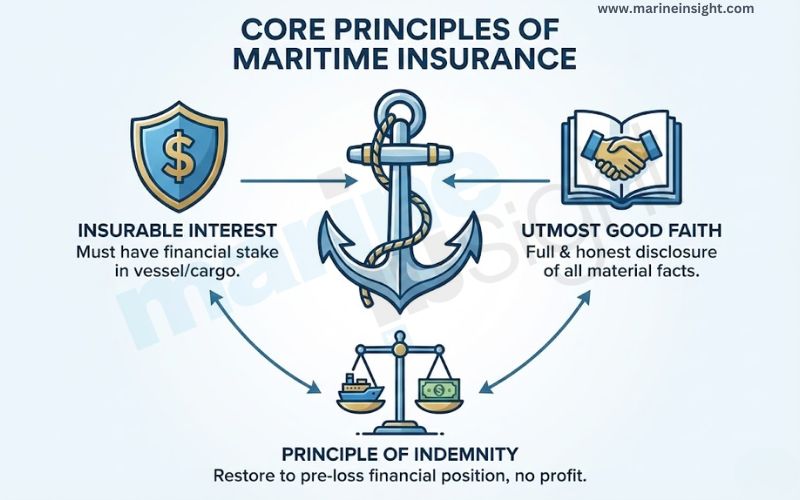
Below are some of the key concepts that shape maritime insurance practice across jurisdictions.
1. Insurable Interest
At the heart of any maritime insurance policy lies the concept of insurable interest. Simply put, the insured must be able to suffer a real financial loss if the subject matter of the insurance is damaged or lost. In shipping, this interest may arise from ownership of the vessel, cargo, freight, or even contractual exposure. Without insurable interest, a marine insurance contract cannot be legally enforced, as insurance is meant to protect against loss, not create speculative profit.
2. Utmost Good Faith
Maritime insurance is governed by the principle of uberrimae fidei, or utmost good faith. This requires both parties—especially the insured—to disclose all material facts that could influence the insurer’s decision to accept the risk or fix the premium. Information about a vessel’s condition, past losses, trading routes, or cargo nature must be honestly revealed. Non-disclosure or misrepresentation can allow insurers to avoid the policy altogether, even if the omission was unintentional.
3. Principle of Indemnity
Marine insurance is designed to place the insured in the same financial position they occupied before the loss, not a better one. This is known as the principle of indemnity. Compensation is limited to the actual loss suffered, subject to policy limits and deductibles. This concept prevents unjust enrichment and ensures that insurance remains a mechanism for risk transfer rather than financial gain.
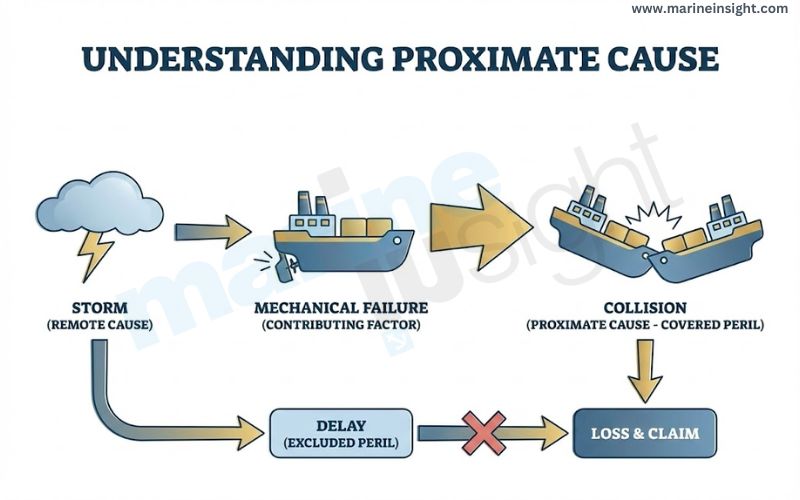
4. Proximate Cause
Not every loss occurring at sea is automatically covered. The principle of proximate cause determines whether the loss resulted directly from an insured peril. If the dominant or effective cause of the damage is covered under the policy, the claim may succeed. If the loss is traced to an excluded peril, the insurer may lawfully deny liability. This concept plays a crucial role in complex casualties involving multiple contributing factors.
5. Warranties in Marine Policies
Warranties are specific promises or conditions set out in the insurance contract, such as trading limits, crew qualifications, or compliance with safety regulations. In maritime insurance, warranties are treated strictly. A breach—even if unrelated to the loss—may discharge the insurer from liability from the moment of breach. This strict approach reflects the high-risk nature of maritime ventures.
6. Subrogation
Once an insurer pays a claim, they acquire the right of subrogation. This allows the insurer to step into the shoes of the insured and recover losses from third parties responsible for the damage. Subrogation ensures that liability ultimately rests with the party at fault and prevents the insured from receiving double recovery.
7. Contribution
When the same subject matter is insured under multiple policies, the principle of contribution applies. Each insurer shares the loss proportionately according to its respective coverage. This avoids overcompensation and distributes risk fairly among insurers.

Conclusion
These core concepts form the legal and commercial framework of maritime insurance. They influence underwriting decisions, claims handling, and dispute resolution across the global shipping industry. While this overview introduces the foundational ideas, maritime insurance involves many other nuanced principles, practical illustrations, and legal interpretations. Readers interested in developing a deeper and more structured understanding can explore these and other important concepts in greater detail in the ebook “Maritime Insurance – Beginners Guide to Maritime Law Series.”
You might also like to read-
- The Importance of Marine Insurance Brokers
- 5 Key Concepts In Charterparties
- 7 Important Parties In Shipping
- Difference Between Consignor & Consignee In Shipping
Disclaimer :
The information on this website is for general purposes only. While efforts are made to ensure accuracy, we make no warranties of any kind regarding completeness, reliability, or suitability. Any reliance you place on such information is at your own risk. We are not liable for any loss or damage arising from the use of this website.
Related Posts


Disclaimer :
The information on this website is for general purposes only. While efforts are made to ensure accuracy, we make no warranties of any kind regarding completeness, reliability, or suitability. Any reliance you place on such information is at your own risk. We are not liable for any loss or damage arising from the use of this website.
Related Articles

About Author
Rishabh Srivastava is a Maritime lawyer dealing in Ship arrests, maritime claims and arbitration in India.
Subscribe To Our Daily Newsletter
By subscribing, you agree to our Privacy Policy you can unsubscribe anytime.


BE THE FIRST TO COMMENT