
Busiest Ocean Trade Route
The busiest ocean trade route is the 550 nautical mile-long Strait of Malacca and Singapore, which links the Indian Ocean with the South China Sea and the Pacific Ocean. Its importance is rooted in geography as it offers the shortest and most direct route between the Middle East, Europe and the manufacturing and industrial hubs of East Asia.
Though routes like the English Channel record a high number of daily ship crossings, the Malacca and Singapore Straits handle a greater volume of global trade, especially in crucial commodities like crude oil and LNG, which makes them most significant in terms of their global impact.
Strait of Malacca and Singapore
The Strait of Malacca and Singapore, situated between the Malay Peninsula and the Indonesian Island of Sumatra, is a crucial maritime chokepoint. Any disruption in the region, whether due to natural calamity, geopolitical tensions, or other reasons, could have a ripple effect on the world economy.
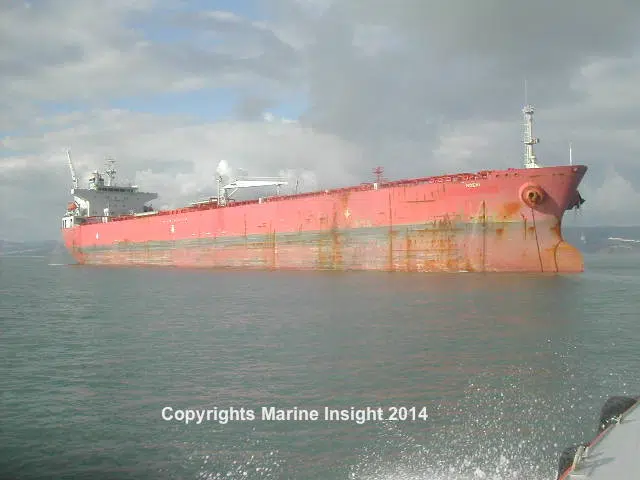
The busiest ocean trade route in the world handles a significant portion of the world’s energy supply transits. More than 15 million barrels of oil loaded onto oil and gas tankers pass through it daily. It is also the major route for shipping LNG from the Middle East to nations such as South Korea and Japan.

Large Container Ships carrying manufactured products like clothes, machines, etc, from factories in China, Vietnam and other Asian countries to European and North American markets also cross the trade route frequently.
Bulk carriers and general cargo ships carrying raw materials like grain, coal, and iron ore from Africa and South America to East Asia also pass through the maritime gateway.
Per the Maritime and Port Authority of Singapore (MPA), the strait and the surrounding port witness over 96,000 vessel crossings annually.
The strait is narrow, which is both its biggest asset and also a weakness. At its narrowest point, the Philip Channel is just 1.7 miles wide, creating a high-traffic and high-risk area for navigation.
It is also a focal point of power dynamics with Indonesia, Malaysia and Singapore responsible for its management and security. Major powers in the world, such as the United States, also maintain a presence in the region to ensure freedom of navigation and secure their own strategic interests.
The busy trade route is vital for China’s energy imports and is also a key route for its imports. The nation has a strategic interest in ensuring its security and is exploring alternative routes to mitigate its Malacca Dilemma.
For shipping companies and operators, understanding the intricacies of this waterway is fundamental for their operational success and efficient planning.
Managing Risks
The high number of ship crossings and the narrow structure of the waterway increase the risk of ship accidents, collisions, groundings and even attempts to board the vessel by pirates. This is because a ship slows its speed while passing through it for safety reasons.
Hence, there is a need to implement strict safety measures and use advanced Vessel Traffic Separation Schemes (VTSS). Seafarers must remain vigilant while passing through the waterway and immediately report any suspicious happening to the local authorities.
Fleet Optimization
If shipping companies have data regarding the traffic flow, they can optimise vessel schedules, save time and reduce fuel consumption. This would lead to greater profits, as knowing the types of vessels and cargo can help forecast demand and also plan for future fleet investments.
Companies looking for long-term growth, assessing the status of the waterway regularly can help them decide where to invest or build their infrastructure, invest in new ships or establish regional offices.
Port Operations and Logistics
For those involved in port calls at Singapore or nearby ports, understanding the flow of trade and the kind of vessels arriving will help in forecasting berth availability, managing pilotage and also optimising shore-side logistics.
Challenges
There are also many challenges to maritime operations in the busiest ocean trade route. The first is maritime piracy incidents. Though they have reduced a lot, and are now limited to armed robberies, they pose dangers to the safety of the ship and seafarers.
ReCAAP ISC reported 80 piracy incidents between January and June 2025, an increase from the 21 incidents in the same period of 2024. Most of these were considered opportunistic and non-violent. The primary targets were bulk carriers and oil tankers.
Another major concern is the risk of oil spill or environmental pollution as a high number of vessels pass through this ecologically sensitive area, which has coral reefs, mangrove forests and diverse fisheries.
Conclusion
To sum up, the Strait of Malacca and Singapore are vital arteries of trade, which connect different continents and support the biggest manufacturing centres of the world. Understanding and tracking the developments in this strategic area can help shipping companies and operators grow their businesses and reap considerable profits through efficient route planning, fleet optimisation and risk management strategies.
You might also like to read-
- 10 Major Maritime Trade Routes In The World
- Maritime Silk Routes- The Story of the Oldest Trade Routes
- 10 Major Sea Routes of the World


Disclaimer :
The information on this website is for general purposes only. While efforts are made to ensure accuracy, we make no warranties of any kind regarding completeness, reliability, or suitability. Any reliance you place on such information is at your own risk. We are not liable for any loss or damage arising from the use of this website.
Disclaimer :
The information on this website is for general purposes only. While efforts are made to ensure accuracy, we make no warranties of any kind regarding completeness, reliability, or suitability. Any reliance you place on such information is at your own risk. We are not liable for any loss or damage arising from the use of this website.

About Author
Zahra is a maritime writer with 6 years of technical writing experience spanning port operations, offshore wind, oil and gas, and maritime policy. Her analytical edge...Read More ->
Related Articles


Subscribe To Our Daily Newsletter
By subscribing, you agree to our Privacy Policy you can unsubscribe anytime.


