


The Story of the Inchcape Rock and Bell Rock Lighthouse
Some fictional accounts take their credence from factual existences. The Bell Rock or the Inchcape Rock is the perfect example of the previous statement as it finds its presence not just in popular maritime history books but also in children’s English poetry syllabus. The intrigue behind it, along with the facts and the fictional aspects, can be unravelled here.
Inchcape Rock Legend
A reef, the Inchcape Rock or the Bell Rock, is located in the North Sea, close to the coastal area of Angus in Scotland, to the east of the estuary of Tay. However, while most other reefs might have derived positive comments and popularity over the countless years of their existence, the Inchcape Rock became known for its infamy as the causation of a shipwreck.
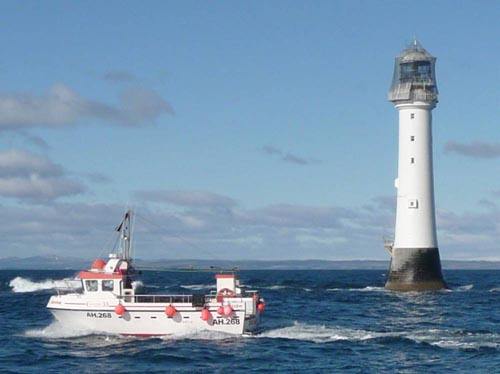
It has been mentioned in various historical accounts that towards the very late 18th and almost at the start of the 19th century, the Bell Rock was instrumental in effecting a ship wreckage tally of almost 100 vessels.
The main reason for such unprecedented accidents was the reef’s position. Before the lighthouse was constructed, no one could know about the reef until the last moment – when the passing ships would collide against the reef. The reef is completely submerged during high waves, swell and strong winds, while only a sliver of it is visible to the naked eye during low tides. As such, ships and seamen undertook a big gamble with their lives while being on this route before the lighthouse was constructed.
In 1807, construction work for a lighthouse on this reef was undertaken by Robert Stevenson and was completed three years later in 1810. Since the architecture of the lighthouse resembled that of the then-prevailing bee hives, the ‘Bell Rock Lighthouse was christened.’ By virtue of it being placed on the Inchcape Rock, it is also referred to as the ‘Inchcape Rock Lighthouse.’

The lighthouse measures 35 metres in length and is regarded among the oldest operating lighthouses in the world. The most noteworthy feature about the lighthouse is that it is sturdy even over 200 years later. And though operations have changed to suit the present times. The lighthouse is still an integral and indispensable marine constituent.
Poem About the Bell Rock Lighthouse
A poem composed by the famous poet of that era, Robert Southey, talks about the famous folktale of Abbot of Aberbrothok, placing a bell on the reef to warn seafarers about the impeding danger during storms and gales in the 1300s. According to the folktale, it is said that whenever the Inchcape bell used to ring, mariners used to bless the abbot’s wisdom and thank him for saving them from danger.
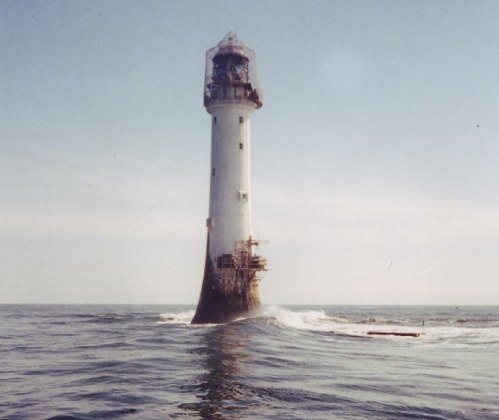
But a sea-robber named Ralph the Rover cut the warning bell down to pocket the money and treasures that used to be churned up after the ships fatally crashed against the rock. However, there came a time when his wickedness paid him back. Ralph’s pirate vessel lost its way in the gloomy atmosphere and thick fog. He pulled his hair in frustration and crashed against the perilous rock. At that time, says the lore, Ralph felt great despair as he heard tolling bells as though the Devil was ringing them to signify his death.
Hence, his evil deeds killed him at the dangerous Inchcape rock. Through this ballad, the poet gives a message that one should not cause harm to others deliberately; else, one suffers in the end.
The scene is also depicted in paintings, the most famous being the Inchcape rock painting by Peter Graham, kept in the New Walk Museum and Art Gallery.
Frequently Asked Questions About the Inchcape Rock
1. Where is the Inchcape Rock situated?
Bell Rock, also known as the Inchcape Rock, is a dangerous sandstone reef in the North Sea, off the coast of Scotland. It is roughly 19 kilometres from Arbroath, Angus. It is 600 m long and is slightly visible during low tides but invisible during high tides.
2. What message is given in the Inchcape Rock poem by Southey?
Like many of Southey’s ballads, the poet gives a supernatural touch to this poem as well. However, the basic theme of the poem is those who do bad to others suffer as a result of their evil deeds. In the end, hence poetic justice is done.
3. Why was the Inchcape Bell placed on the Inchcape Rock?
The warning bell was placed on the rock so that sailors and mariners passing off the eastern coast of Scotland could be warned of the danger lying ahead. The bell prevented many shipwrecks and saved several lives.
4. What is the legend of the Inchcape Rock?
Inchcape rock is a dangerous reef in the North Sea, off the Scottish coast. It was submerged in the ocean and not visible to seafarers, which caused many shipwrecks in the area. According to legend, the Abbot of Aberbrothok hung a warning bell on the rock with the help of an anchor to prevent further accidents.
5. According to the legend, who cut the warning bell from the rock?
As per legend, the boatmen took the boat near the rock. Sir Ralph the Rover bent down and cut the bell due to his wickedness and greed. He wanted ships to hit the rock and drown so he could loot the goods. But ultimately, it was his ship that drowned, leading to his tragic death, per the poem of Southey.
You may also like to read –
Reference
poets graves, enotes, Infoplease
Disclaimer: The author’s views expressed in this article do not necessarily reflect the views of Marine Insight. Data and charts, if used in the article, have been sourced from available information and have not been authenticated by any statutory authority. The author and Marine Insight do not claim it to be accurate nor accept any responsibility for the same. The views constitute only the opinions and do not constitute any guidelines or recommendations on any course of action to be followed by the reader.
The article or images cannot be reproduced, copied, shared, or used in any form without the permission of the author and Marine Insight.
Do you have info to share with us ? Suggest a correction

About Author
Zahra is an alumna of Miranda House, University of Delhi. She is an avid writer, possessing immaculate research and editing skills. Author of several academic papers, she has also worked as a freelance writer, producing many technical, creative and marketing pieces. A true aesthete at heart, she loves books a little more than anything else.

Subscribe To Our Newsletters
By subscribing, you agree to our Privacy Policy and may receive occasional deal communications; you can unsubscribe anytime.