
Understanding The Difference Between Salvage, Towage & Pilotage
Maritime operations rely on precision, preparedness, and a clear understanding of legal boundaries. At sea, even routine movements require adherence to long-established principles of seamanship and maritime law. Among these, three operational pillars—salvage, towage, and pilotage—stand out as fundamental yet often misunderstood.
Though each involves one vessel assisting another, their purpose, legal foundation, commercial nature, and level of risk differ significantly. For maritime professionals or maritime law students, distinguishing these services is essential. The nuances can determine liability, compensation, insurance cover, and even the outcome of disputes.
The following breakdown offers an accessible introduction as discussed in the ebook A Beginner’s Guide to Maritime Law, while keeping enough depth reserved for those who wish to explore the complete eBook.
1. Salvage
Salvage represents one of the most dramatic aspects of maritime operations. It involves assisting a vessel or maritime property that is genuinely endangered, whether due to grounding, fire, flooding, machinery breakdown, or any other peril at sea.
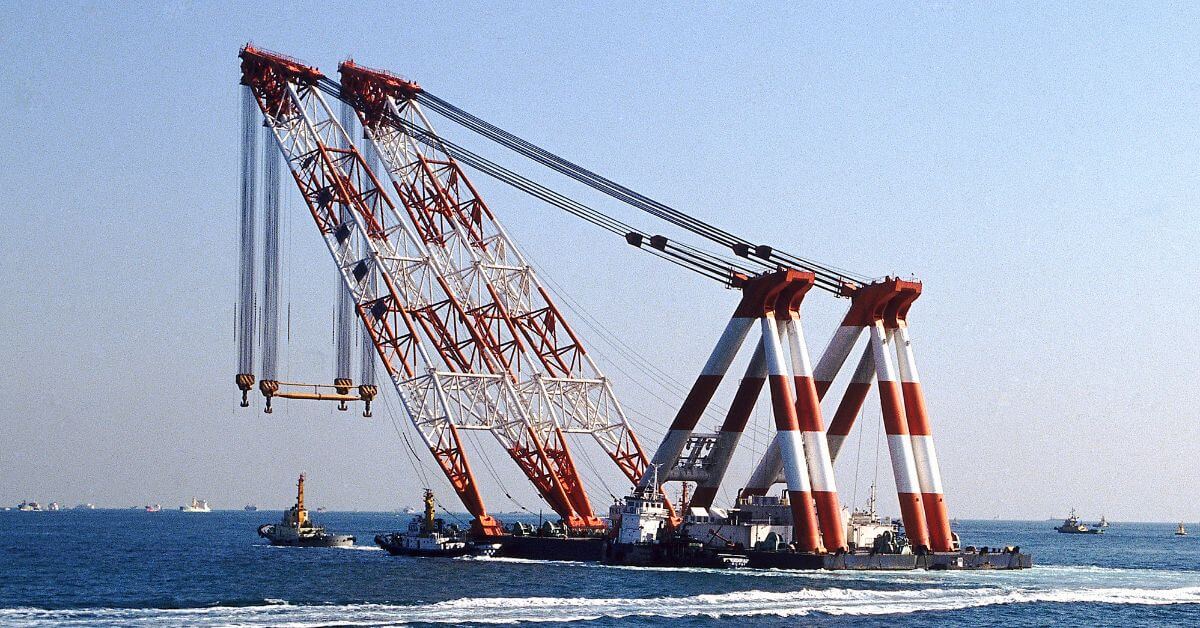
A few defining features set salvage apart:
a) There must be a real danger
The entire basis of salvage is the presence of risk—either to life, the vessel, the cargo, or the marine environment. The situation need not be catastrophic, but the danger must be credible.
b) It is voluntary
Unless bound by a pre-existing obligation, salvors act voluntarily. This distinguishes salvage from rescue services provided under contract or duty.
c) Payment is a reward, not a fee
Compensation—often known as “salvage award”—is calculated after the operation. Factors include:
- The skill and effort of the salvors
- The value of the property saved
- The degree of risk undertaken
- Time and resources expended
- Prevention of environmental damage
Unlike towage, the reward is not fixed upfront.
d) Environmental considerations now play a role
Modern salvage principles also recognise situations where preventing pollution or wider damage is just as valuable as saving property.
Salvage, therefore, blends courage, commercial risk, and legal complexity—a combination explored in far greater detail within the eBook.
2. Towage: A Predictable Contractual Service
Towage is frequently confused with salvage because both involve one vessel assisting another. However, towage operates on certainty rather than risk. It refers to the movement of a vessel by another vessel in the absence of imminent danger.

Examples include:
- Moving a vessel within a harbour
- Assisting ships during berthing and unberthing
- Towing barges, dredgers, or pontoons
- Escorting vessels with limited manoeuvring ability
Key characteristics of towage:
a) No danger is present
If at any point danger does arise during a towage operation, the nature of the service may legally shift towards salvage—but only if the salvor acts beyond contractual duty.
b) It is governed by a contract
Towage agreements clearly define:
- Responsibilities
- Risks
- Charges
- Operational boundaries
This certainty is a major distinction from salvage, where awards depend on outcome and risk.
c) Payment is predetermined
Towage is a commercial service with a fixed fee, usually charged per hour, per trip, or per operation.
Towage is practical, predictable, and indispensable—but fundamentally different in spirit from salvage.
3. Pilotage
Pilotage sits apart from both salvage and towage because it does not involve rescue or physical towing. Instead, pilotage is the act of placing a qualified pilot on board a vessel to guide it through restricted or congested waters such as channels, rivers, and harbour approaches.

Why pilotage is unique:
a) It is often compulsory
Most countries designate “pilotage districts,” where ships—especially large or unfamiliar ones—must take a pilot.
b) The pilot provides expert local knowledge
Pilots bring insight into:
- Local currents
- Tidal patterns
- Depth variations
- Traffic management
- Port regulations
This expertise dramatically reduces navigational risks in sensitive zones.
c) The master still retains command
Legally, the vessel’s master remains responsible, even though they rely heavily on the pilot’s advice.
d) Fees are regulated
Pilotage charges follow tariff structures determined by port or pilotage authorities—not commercial negotiation.
Pilotage is therefore a statutory safeguard, ensuring the secure and predictable movement of ships in areas where precision matters most.
4. How These Three Operations Differ: A Clear Breakdown
| Aspect | Salvage | Towage | Pilotage |
|---|---|---|---|
| Purpose | Save property from danger | Move vessel safely | Guide vessel through restricted waters |
| Presence of Danger | Essential | Absent | Absent (but navigation-related risks exist) |
| Legal Basis | Maritime law & reward | Contract | Statutory requirement |
| Compensation | Award based on success & risk | Fixed contractual fee | Regulated tariff |
| Nature of Work | High-risk rescue | Planned movement | Professional guidance |
| Who Performs It | Salvors | Tug operators | Licensed pilots |
This comparison shows why the three terms cannot be used interchangeably, despite their operational overlap.
5. Why These Distinctions Matter in the Real World
Understanding the boundaries between salvage, towage, and pilotage helps shipowners, operators, and maritime lawyers avoid costly mistakes.
For example:
- Misclassifying a salvage operation as towage could lead to major disputes over compensation.
- Incorrect assumptions about pilotage liability may expose shipowners to unexpected claims.
- Towage contracts that ignore potential salvage scenarios can lead to unexpected legal conflicts.
Even insurers depend heavily on these distinctions when assessing risk and claims.
For those entering maritime professions—or anyone dealing with contracts, operations, or claims—these differences shape financial responsibilities as well as legal exposure.
Conclusion
Though all three operations involve assistance at sea, each serves a distinct purpose and is governed by its own legal principles. Salvage is rooted in danger and reward, towage in contract and routine movement, and pilotage in statutory expertise. Together, they form an essential part of maritime operations, balancing commercial needs with safety and legal clarity.
To explore these topics more deeply—including real case studies, legal interpretations, and industry applications—A Beginner’s Guide to Maritime Law offers a structured, accessible foundation for learners and professionals alike.
You might also like to read-
Disclaimer :
The information on this website is for general purposes only. While efforts are made to ensure accuracy, we make no warranties of any kind regarding completeness, reliability, or suitability. Any reliance you place on such information is at your own risk. We are not liable for any loss or damage arising from the use of this website.
A Beginner’s Guide To Maritime Law
“A Beginner’s Guide to Maritime Law” introduces the fundamental principles, conventions, and legal frameworks governing global shipping. Gain a solid foundation in maritime regulations, rights, and responsibilities to navigate the industry with confidence and compliance.

“A Beginner’s Guide to Maritime Law” introduces the fundamental principles, conventions, and legal frameworks governing global shipping. Gain a solid foundation in maritime regulations, rights, and responsibilities to navigate the industry with confidence and compliance.
A Beginner’s Guide To Maritime Law
Related Posts


Disclaimer :
The information on this website is for general purposes only. While efforts are made to ensure accuracy, we make no warranties of any kind regarding completeness, reliability, or suitability. Any reliance you place on such information is at your own risk. We are not liable for any loss or damage arising from the use of this website.
Related Articles

About Author
Rishabh Srivastava is a Maritime lawyer dealing in Ship arrests, maritime claims and arbitration in India.
Subscribe To Our Daily Newsletter
By subscribing, you agree to our Privacy Policy you can unsubscribe anytime.


BE THE FIRST TO COMMENT