
Russia Detains Cyprus-Flagged Cargo Ship En Route To Estonian Port Of Sillamae In Gulf Of Finland
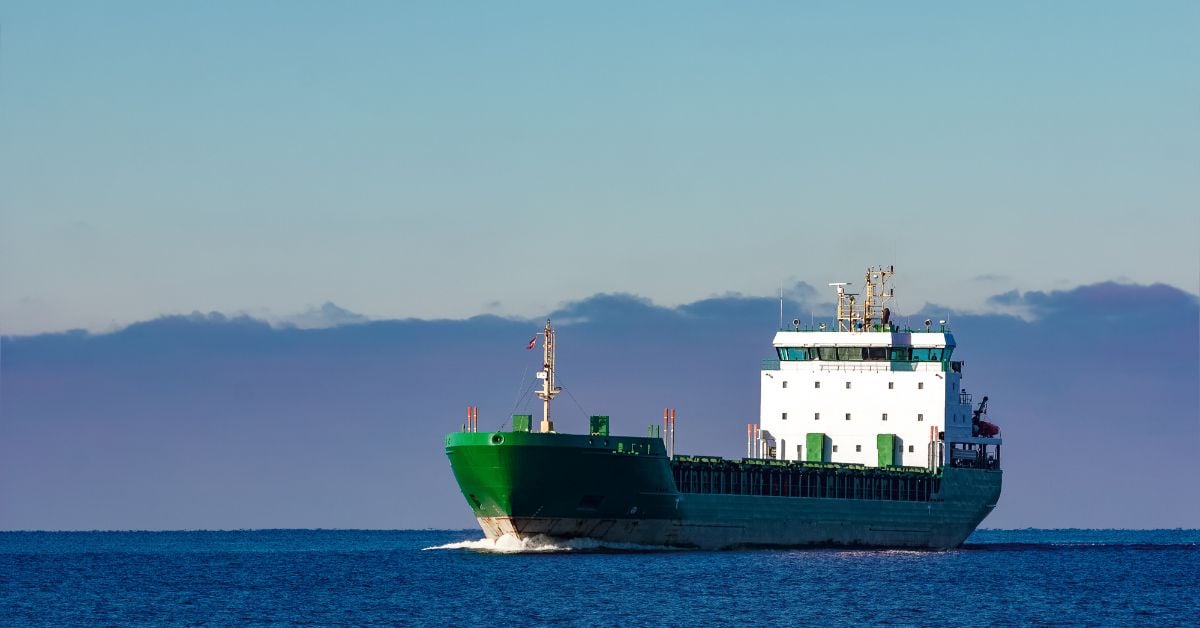
Russian Border Guards have recently detained a cargo vessel named Vasterbotten in the Gulf of Finland while it was heading to Estonia’s Port of Sillamae. The Border Guard Board of Estonia and the Estonian Police confirmed the same.
However, Moscow has not provided any explanation for the act, which is not the first such incident. Russia had detained ships on this route earlier as well. In May last year, the border guards ordered tanker Green Admire to stop.
They inspected the vessel later, which was loaded with shale oil for Rotterdam Port. The tanker, which was operated by Aegean Shipping, a Greek company, had been following a previously agreed route through the territorial waters of Russia.
In August, Russian President Vladimir Putin had warned the West not to detain Russian cargo ships. It seems Russia is following a tit-for-tat strategy by stopping and detaining ships linked to Western countries. Operated by German company Navalis Shipping, Vasterbotton was sailing from Monsteras Port in Sweden when it was ordered to stop.
Before being detained, it had entered Russia’s territorial waters, where it remained at anchor for inspections and checks that lasted many hours, after which it resumed its journey at 5:00 pm in the evening.
Estonian officials belonging to the Estonian Transport Administration said that the act was unpleasant; however, it was not unusual. After this act, Estonia’s Transport Administration has rerouted ships to and from Estonia’s Sillamae through its own waters to avoid similar incidents with Russia.
Earlier, Moscow had restricted ship passage through this part of the Gulf of Finland; however, the restrictions were later removed. Estonia, Russia, and Finland share an agreement that allows ships from these three countries to use the Gulf of Finland and areas that fall under their respective territorial waters.
However, the route through Russian waters is safer than the Estonian waters due to the presence of shoals, especially for large cargo vessels.
RELATED POSTS


Disclaimer :
The information on this website is for general purposes only. While efforts are made to ensure accuracy, we make no warranties of any kind regarding completeness, reliability, or suitability. Any reliance you place on such information is at your own risk. We are not liable for any loss or damage arising from the use of this website.

About Author
Zahra is a maritime writer with 6 years of technical writing experience spanning port operations, offshore wind, oil and gas, and maritime policy. Her analytical edge...Read More ->
Disclaimer :
The information on this website is for general purposes only. While efforts are made to ensure accuracy, we make no warranties of any kind regarding completeness, reliability, or suitability. Any reliance you place on such information is at your own risk. We are not liable for any loss or damage arising from the use of this website.
Related Articles
Subscribe To Our Daily Newsletter
By subscribing, you agree to our Privacy Policy you can unsubscribe anytime.


