Ships Receiving Iranian Cargo At Sea Could Be Seized As US Tightens Iran Blockade
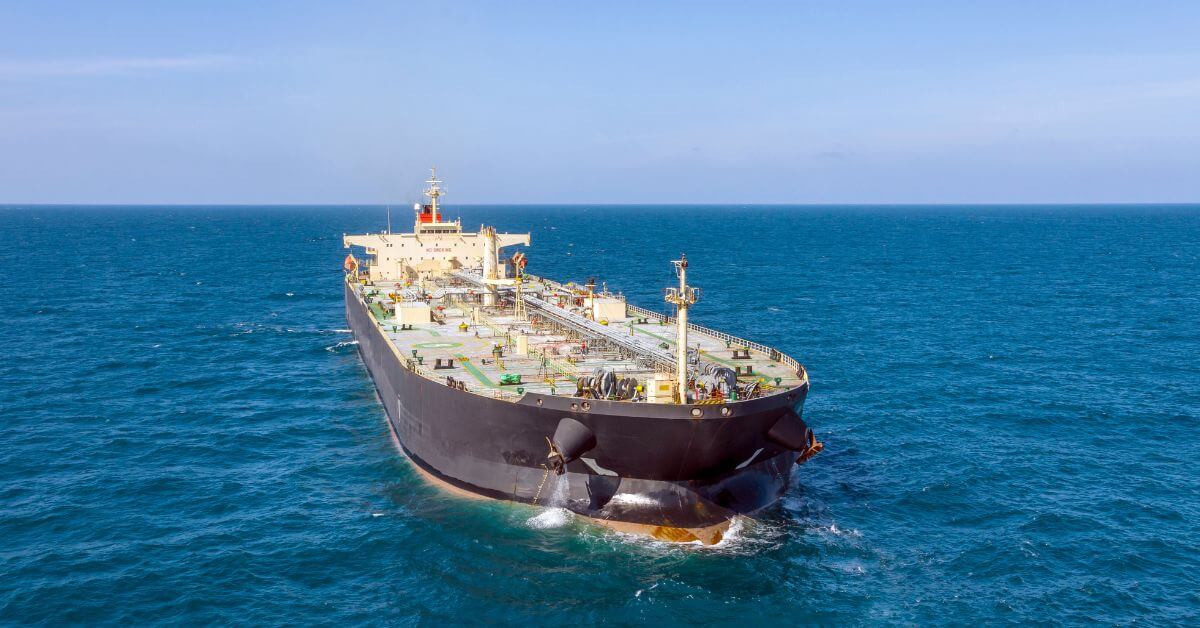
Ship-to-ship transfers involving cargo loaded in Iran could now get the receiving vessels stopped or seized at sea under a U.S. Central Command (CENTCOM) update issued on November 18, 2026.
As per the update, any ship that receives cargo from a blockaded vessel carrying Iranian-loaded cargo may be treated as evading the blockade. This holds true even if the receiving ship has never entered an Iranian port or Iranian coastal waters.
Under the new guidance, U.S. forces could board and capture ships involved in such ship-to-ship transfers or send them to the Iranian port where the cargo was first loaded.
Vessels that fail to promptly obey lawful directions from blockade or boarding teams could face enforcement measures, which may include the use of force under applicable law.
The advisory warns that any delay in compliance could quickly escalate to disabling or destructive fire. It also asks masters to take special care so that their crews are not put in danger during enforcement actions.
The update was shared with shipowners and seafarers by the Joint Maritime Information Centre (JMIC) in its advisory note 017-26.
The blockade covers every Iranian port along with the entire Iranian coastline and its oil terminals, and it applies to ships of all flags. The U.S. first imposed a naval blockade on Iran-related oil exports on April 13 and lifted it in June after reaching a draft understanding with Iran, according to reports. The blockade was reimposed after that deal collapsed, and enforcement of the current blockade began on July 14.
Humanitarian cargoes such as food and medical supplies are still allowed into Iran after vetting and inspection by the U.S. Navy. Neutral ships can continue to transit the Strait of Hormuz to non-Iranian destinations, although they remain subject to search.
Vessels crossing the blockade area have been asked to stay 30 nautical miles away from U.S. warships so that they are not mistaken for a threat.
The information centre has kept the regional maritime security threat level at severe and expects more hostile activity in the Gulf and the Strait of Hormuz.
Despite the blockade, some liquefied petroleum gas (LPG) and jet fuel cargoes have still left Iran since July, shipping and security sources said in October. Iran’s crude oil exports have stayed close to a standstill for months, shipping sources added.
References: Reuters, Joint Maritime Information Center (JMIC/UKMTO), US Central Command
RELATED POSTS


Disclaimer :
The information on this website is for general purposes only. While efforts are made to ensure accuracy, we make no warranties of any kind regarding completeness, reliability, or suitability. Any reliance you place on such information is at your own risk. We are not liable for any loss or damage arising from the use of this website.
Subscribe To Our Daily Newsletter
By subscribing, you agree to our Privacy Policy you can unsubscribe anytime.