
U.S. Navy Quadruples AI Robotics Deal To $300 Million To Boost Fleet Readiness
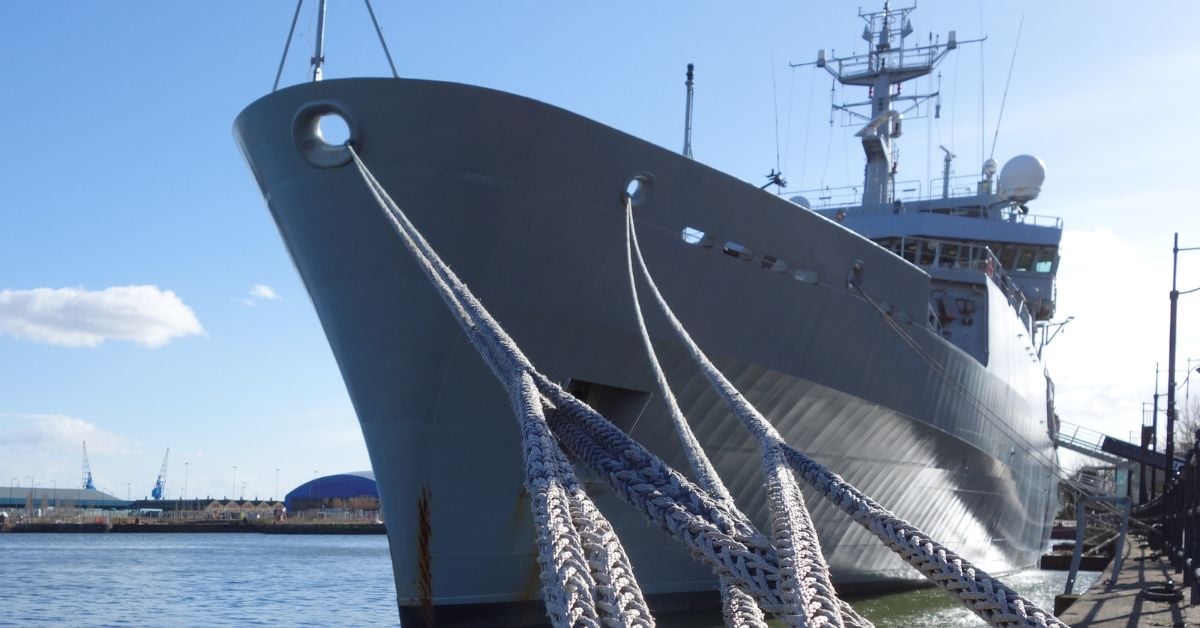
The U.S. Navy has expanded the contract with Gecko Robotics by increasing its agreement ceiling from $71 million to $300 million to ramp up the advancement of robotics and AI systems to counter emerging naval threats such as China in the Indo-Pacific.
Just 6 months after initial deployment, the quadrupled deal shows Washington’s inclination towards employing emerging technologies and automation to speed up maintenance and repair of naval ships and boost fleet readiness.
The decision to streamline maintenance schedules comes as the military faces an increasing gap with China, which has a large battle fleet and superior manufacturing and repair times compared to the U.S.
By adopting modern inspection tools, the Navy aims to boost fleet readiness toward an 80 percent target and also handle the shipyard delays and shortages of skilled labour required for complex projects.
Gecko Robotics has wall-climbing robots that can crawl across hulls, flight decks, and ballast tanks to inspect destroyers, amphibious warships, and littoral combat ships.
These machines can find metal loss and corrosion 50 times faster than manual inspections. The data is fed into the company’s AI-driven Cantilever software platform, enabling the maintenance teams to identify and rectify the problem before it reaches an advanced stage and thus avoid longer and more expensive overhauls.
The company claims that this tech can save the U.S. Navy up to 8 million dollars in repair costs per ship. In one instance, robotic prediction reduced a 1200 square foot repair area to only 300 square feet, thus doing away with the need to put in extra time, effort, and money.
Along with the extended deal, Gecko has also revealed a new specialized robot named Komodo designed only for naval operations.
Komodo works like a CAT scan for warships by scanning steel decks beneath thick non-skid coatings to find hidden corrosion and also to detect material thickness without stripping the surfaces beforehand.
This non-invasive process allows repair crews to assess structural damage before tearing parts of the ship apart. Beyond immediate inspection tasks, Gecko Robotics aims to use the data gathered from the projects to transform from offering repair services to predictive maintenance in advance. By forecasting failures before they actually happen, planners can organise labour and materials beforehand, ensuring ships can return to the sea faster, thus reducing maintenance time.
Gecko Robotics Chief Executive Officer Jake Loosararian emphasized that while the United States may struggle to out-manufacture rival nations in volume, deploying AI-driven maintenance systems allows the military to outsmart operational bottlenecks and keep existing vessels ready for combat.
RELATED POSTS


Disclaimer :
The information on this website is for general purposes only. While efforts are made to ensure accuracy, we make no warranties of any kind regarding completeness, reliability, or suitability. Any reliance you place on such information is at your own risk. We are not liable for any loss or damage arising from the use of this website.

About Author
Zahra is a maritime writer with 6 years of technical writing experience spanning port operations, offshore wind, oil and gas, and maritime policy. Her analytical edge...Read More ->
Disclaimer :
The information on this website is for general purposes only. While efforts are made to ensure accuracy, we make no warranties of any kind regarding completeness, reliability, or suitability. Any reliance you place on such information is at your own risk. We are not liable for any loss or damage arising from the use of this website.
Related Articles
Subscribe To Our Daily Newsletter
By subscribing, you agree to our Privacy Policy you can unsubscribe anytime.


