
Norway Plans Up To 20 Vessels With 2 NATO Allies In One Of Its Largest Maritime Programs
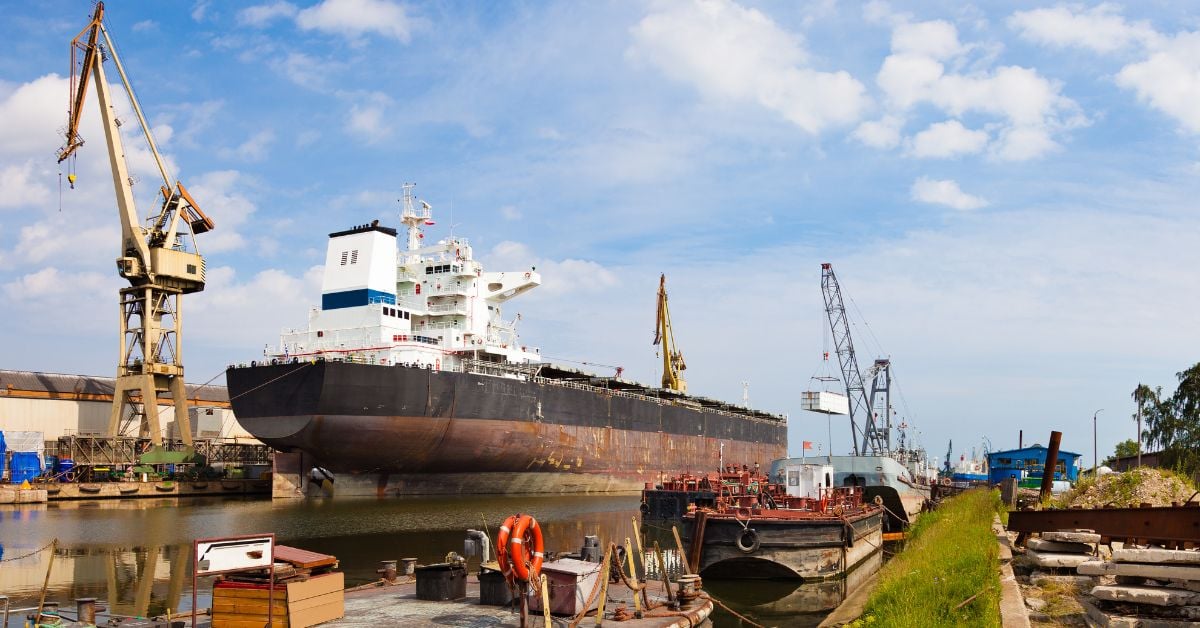
Norway is preparing to acquire up to 20 standardised government ships through the Norwegian Defence Materiel Agency (FMA), under the Project P1118, making it one of its largest maritime defense programs to date.
Through this program, Norway aims to modernise and strengthen the Royal Norwegian Navy and the Coast Guard, while working in close partnership with international allies.
The project focuses on boosting national defense capabilities and supporting the Norwegian shipbuilding and defense sector through export opportunities for allied countries, in this case the U.S. and Lithuania.
Initially, large ocean-going vessels would be built to address the immediate needs of both countries, while plans are underway to construct smaller naval craft later, as the project progresses.
Norway intends to award the production contract in 2027 so that the first ship can be delivered by the end of this decade through an open competition involving local shipyards.
The planned acquisition of up to 20 vessels is distributed across 3 participating nations: Norway would get around 6 vessels for its Coast Guard and up to 4 vessels for its Navy. United Kingdom would receive 6 and Lithuania up to 4 ocean-going vessels. The ships for the UK and Lithuania will share the core naval platform design.
The Norwegian Defence Materiel Agency (FMA) said that it is looking for shipyards in Norway and in Europe to build these ships by splitting the procurement into 2 different contracts to foster competition and diversify the suppliers.
This is one of Norway’s most important defense projects undertaken in recent years. The division of the contract is a smart move that would help minimise execution risks, help scale faster, and secure long-term manufacturing capability.
Additionally, cooperating with Britain and Lithuania would offer many commercial opportunities to the country’s maritime industry.
While announced as a unified procurement effort, the process will run along two parallel competition tracks in which one contract would cover 14 naval vessels, and another would include up to 6 coast guard vessels
Defense contractors may qualify to bid on either one or both contract tracks. However, a single supplier will not be permitted to win both awards.
RELATED POSTS


Disclaimer :
The information on this website is for general purposes only. While efforts are made to ensure accuracy, we make no warranties of any kind regarding completeness, reliability, or suitability. Any reliance you place on such information is at your own risk. We are not liable for any loss or damage arising from the use of this website.

About Author
Zahra is a maritime writer with 6 years of technical writing experience spanning port operations, offshore wind, oil and gas, and maritime policy. Her analytical edge...Read More ->
Disclaimer :
The information on this website is for general purposes only. While efforts are made to ensure accuracy, we make no warranties of any kind regarding completeness, reliability, or suitability. Any reliance you place on such information is at your own risk. We are not liable for any loss or damage arising from the use of this website.
Subscribe To Our Daily Newsletter
By subscribing, you agree to our Privacy Policy you can unsubscribe anytime.


