
Iran Threatens Legal Action Against South Korean Shipping Firm’s Vessels In Strait Of Hormuz
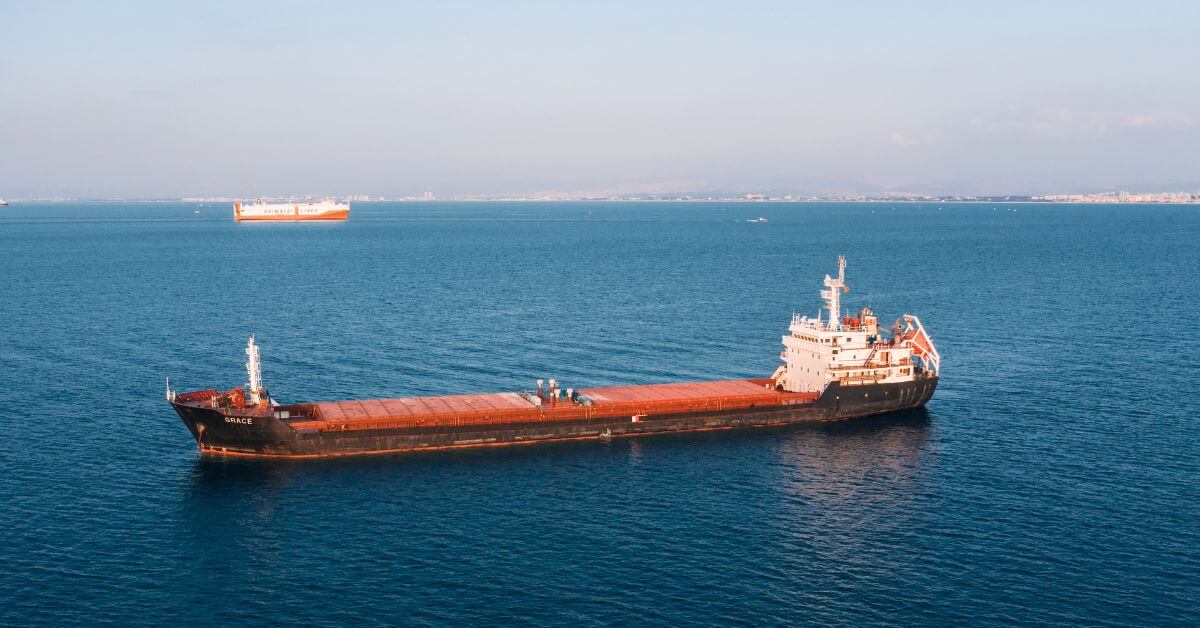
Iran has threatened legal action against vessels belonging to South Korean shipping company Sinokor from November 1, accusing them of repeatedly violating its rules for crossing the Strait of Hormuz.
South Korea’s shipowners’ association said the vessels were not owned by Sinokor but had been sub-chartered to an overseas oil company.
Iran’s Persian Gulf Strait Authority said on Tuesday that Sinokor vessels had recorded the highest number of crossing violations in the strait over the previous three months. It added that “appropriate actions” had been taken against at least seven vessels.
The Korea Shipowners’ Association said on Wednesday that the vessels in question had no South Korean crew members on board and were manned entirely by foreign seafarers. The association said it had confirmed the details with a Sinokor official.
Sinokor was unaware of the authority’s separate warning of legal action and was checking the details, the association said.
The dispute comes as Iran tightens restrictions on shipping through the Strait of Hormuz following US and Israeli airstrikes on Iran on February 28. Tehran has restricted passage through the strategic waterway in an effort to gain leverage over Washington, disrupting oil flows from Arab Gulf producers, particularly shipments to Asian markets.
Ships owned by Sinokor were included in a list issued by Iran in August naming 45 tankers that Tehran said had violated its rules for crossing the Strait of Hormuz.
The United States has imposed a naval blockade against ships linked to Iran in the strait in response to Iranian attacks.
The blockade has sharply restricted Iranian exports, according to the source material. Gulf oil producers have also adapted to attacks on shipping by relying on so-called dark transits, in which tankers switch off their tracking systems to avoid detection and protect oil shipments.
The Strait of Hormuz is a major route for oil shipments from Gulf producers to customers in Asia. Restrictions on vessel passage and uncertainty over enforcement of Iran’s crossing rules have implications for shipowners, charterers and oil companies using the waterway.
Iran’s authority has not provided further details about the legal action it intends to take against Sinokor vessels from November 1.
The Korea Shipowners’ Association said Sinokor was checking the warning. The supplied information does not specify what action Iran plans to take or whether the dispute will affect the vessels’ future passage through the strait.
RELATED POSTS


Disclaimer :
The information on this website is for general purposes only. While efforts are made to ensure accuracy, we make no warranties of any kind regarding completeness, reliability, or suitability. Any reliance you place on such information is at your own risk. We are not liable for any loss or damage arising from the use of this website.

About Author
Aakriti is a journalist and news writer at Marine Insight, with over three years of experience covering the global shipping and maritime …Read More ->
Disclaimer :
The information on this website is for general purposes only. While efforts are made to ensure accuracy, we make no warranties of any kind regarding completeness, reliability, or suitability. Any reliance you place on such information is at your own risk. We are not liable for any loss or damage arising from the use of this website.
Subscribe To Our Daily Newsletter
By subscribing, you agree to our Privacy Policy you can unsubscribe anytime.


