
Why the Bay of Biscay is Dangerous for Ships?

The Bay of Biscay is a gulf of the northeast Atlantic Ocean located in the Celtic Sea. It is located on the northern coast of Spain and the western coast of France and is named after the Spanish province of Biscay.
The average depth of the bay is 1745 meters, and the maximum depth is 2790 meters. Parts of the continental shelf extend into the bay, which results in fairly shallow water in places.
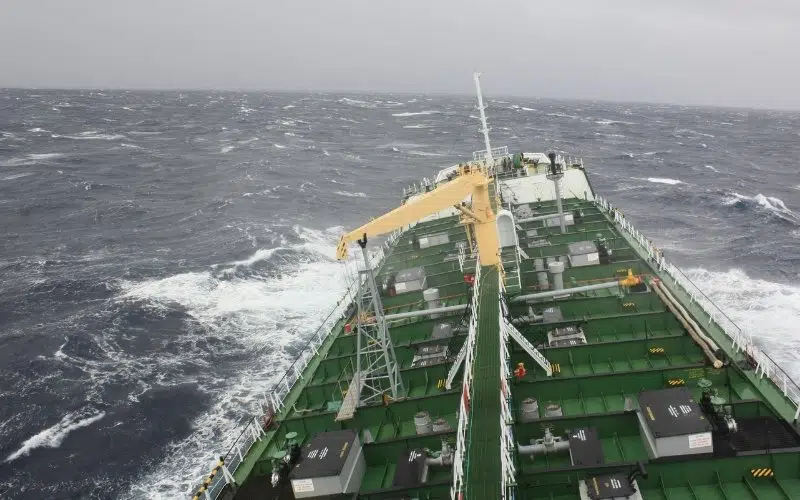
Some of the fiercest weather conditions of the Atlantic Ocean can be witnessed in Biscay Bay. The area is home to large storms during the winter months, and countless shipwrecks have been reported from the region as a result of the gruesome weather.
The late spring and early summer in the area are cool and cloudy, and large fog triangles fill the southwestern part of the inlet.
The weather in the Bay of Biscay is the most vital thing to worry about and discuss. As winters begin, the weather turns harsh and severe.
Depressions form and enter the bay from the west. They eventually dry out and are born again as thunderstorms.
They also bring constant rain to the region, often causing thunderstorms that look like hurricanes and crash at the bay. One such example is Klaus Strom.

The Bay of Biscay has always been feared by seamen. Several incidents have been reported of merchant vessels losing direction in Biscay storms.
In a few instances, lives have been lost as a result. However, with improved ships and other amenities, the accidents have been reduced to considerable amounts.
Ships going to the Mediterranean chose options like the French River rather than taking the route from Biscay Bay due to the bay’s legendary reputation. Atlantic swells often form near the coasts and make many ports inaccessible.
There have been quite a few incidents in recent years of ships facing difficulties, sometimes resulting in grave consequences. In May 2000, two yachts faced a disastrous journey even when they left with no signs of bad weather in the Bay of Biscay.

It’s not just now that the Bay is feared. It is an age-old story dating back to the beginning of the Second World War. Located between France and Spain, the bay has been dangerous and often feared.
The German U-boats ruled the Bay, and many British and American ships were reported sunk that entered her waters. There were as many as 15,000 casualties and another 5,000 ships that sunk.
Despite the danger faced by the ships, they had no choice but to take the route to reach France with supplies and troops.
Additional Info
Various kinds of Dolphins and whales are seen in the waters of the Bay of Biscay. Another commonly found animal species is Cetaceans.
The greatest area to spot larger cetaceans lies beyond the continental shelf, in the deep waters. Other seabirds can also be seen across the bay. The alga Colpomenia peregrina was first found and noticed in the bay in 1906.
You may also like to read – How Do Ships Survive Storms?
Disclaimer :
The information on this website is for general purposes only. While efforts are made to ensure accuracy, we make no warranties of any kind regarding completeness, reliability, or suitability. Any reliance you place on such information is at your own risk. We are not liable for any loss or damage arising from the use of this website.



Disclaimer :
The information on this website is for general purposes only. While efforts are made to ensure accuracy, we make no warranties of any kind regarding completeness, reliability, or suitability. Any reliance you place on such information is at your own risk. We are not liable for any loss or damage arising from the use of this website.

About Author
Raunek Kantharia is a marine engineer turned maritime writer and entrepreneur. After a brief stint at the sea, he founded Marine Insight in 2010. Apart from managing Marine Insight, he also writes for a number of maritime magazines and websites.
⚓️ Enhance Your Knowledge. Prevent Accidents. Stay Safe at Sea.
1. eBooks for Engine Department
Master machinery operations, troubleshooting, and safety procedures with expertly written guides tailored for marine engineers. Prevent costly breakdowns and onboard accidents through practical knowledge.
👉 Explore Engine Department eBooks
2. eBooks for Deck Department
Sharpen your seamanship, navigation, and cargo-handling skills with real-world case studies and practical insights designed for deck officers and cadets.
👉Discover Deck Department eBooks
3. eBooks on Electrical Fundamentals & Issues
Understand marine electrical systems, identify potential faults, and prevent onboard electrical failures with step-by-step explanations from industry experts.
4. Pocket Guides for Quick Reference
Compact, handy, and loaded with essential checklists—perfect for on-the-go reference during operations and emergencies at sea.
5. Combo Packs to Save Big
Access multiple expert eBooks at discounted prices. Ideal for professionals seeking complete safety and operational knowledge across various ship departments.
6. Digital Maritime Courses – Learn at Your Own Pace
Upgrade your competence with Marine Insight Academy’s online courses. Learn from industry professionals anytime, anywhere, and become a safer, smarter seafarer.
Related Articles


Subscribe To Our Daily Newsletter
By subscribing, you agree to our Privacy Policy and may receive occasional deal communications; you can unsubscribe anytime.


I am looking for any information on the M/V Iligan Bay of the Presidential Lines which went missing on January 22 1972 at the Bay of Biscay
Thanks for any help
Great history, tnx.
Must be an exciting place for divers. At the bottom lies a increadable story of wrecks. Are there movies or already pictures taken?