
Iran Threatens To Set Up ‘Exclusion Zone’ Near War-Torn Strait Of Hormuz Following Tanker Attacks
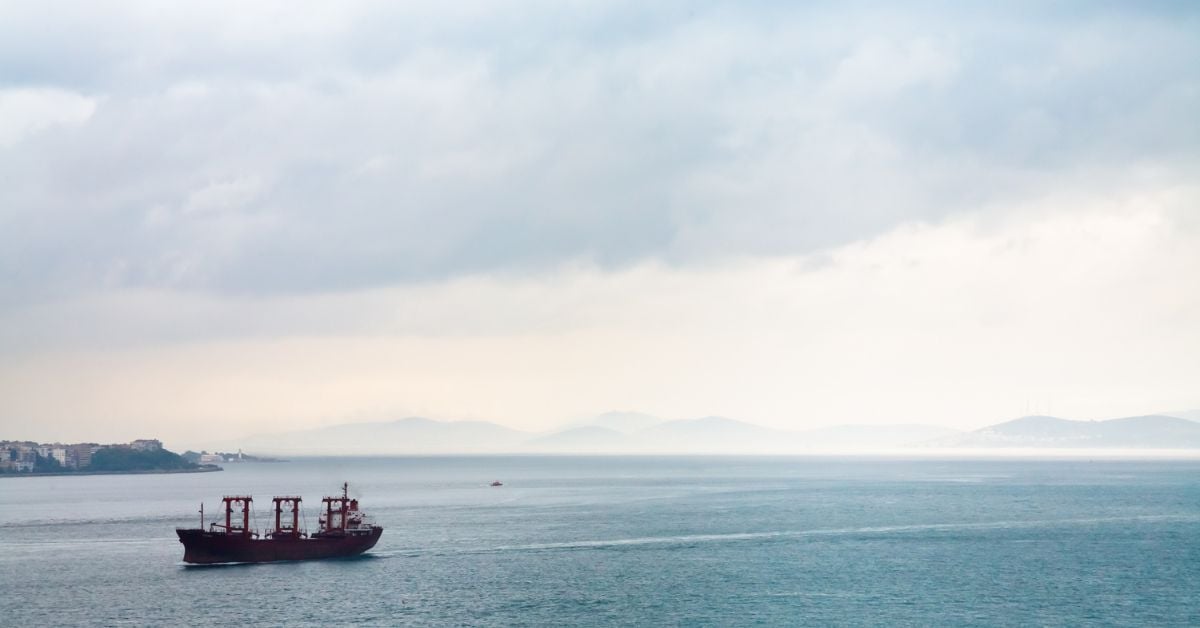
Iran has decided to form an exclusion zone around the Strait of Hormuz to prevent ships from crossing the strategic waterway without its permission.
The aim is to counter the U.S naval blockade on Iranian Ports and, in turn, build international pressure on Washington, which is preventing Iran from using the Strait to export its oil, using 20 of its naval warships and hundreds of personnel.
Those ships which try to sail past the blockade could be attacked by Iranian patrol vessels of the IRGC and would also be put on the sanctions list of Iran.
The boundaries of the exclusion zone would be announced in the coming weeks, according to Mohsen Rezai, the new Head of the Supreme National Security Council.
The development comes after the U.S hit 3 oil tankers of Iran and disabled a couple in the past few weeks.
The zone would stretch from the point where the U.S Navy has begun its blockade and continue to the Arabian Gulf, covering the entire Strait of Hormuz. However, it remains unclear where exactly the starting and ending points are, which will be revealed in a few days.
According to the U.S, its forces have redirected almost 92 vessels and disabled 3 since the reimposition of the blockade to pressure Iran to negotiate and end the war that began in February following U.S and Israeli strikes on the Islamic Republic.
Washington is trying to pressurise Tehran, which has also increased attacks on international shipping in the strategic waterway.
Iran has recently claimed to have struck an unmanned U.S ship entering Hormuz, with the U.S. calling it a total lie. Attacks resumed from both sides last week along the southern shores of Iran, and 5 people died.
U.S bombs even fell on a wedding, which reminded people of U.S strikes over an Iranian school which killed children.
Rezai spoke of the failed talks with the U.S., saying that Iran had hoped that the mediators in the conflict, including Pakistan, Qatar and Oman, would call out the party which breaks the terms of the initial memorandum of understanding first; however, since things have played out, Tehran now accepts diplomacy only when it comes with a guarantee.
The Energy Secretary of the U.S, Chris Wright, said that Hormuz is not completely under Iranian control, as 9 million barrels of crude are crossing the waterway into global markets every day. He said that it is almost two-thirds of the volume handled before the advent of the war.
He underlined that this oil flow is possible only because of U.S Naval escorts, which offer protection against Iranian attacks on commercial vessels, especially tankers carrying oil and petroleum products. He urged the navies of allies and friends to support this effort for the benefit of all.
RELATED POSTS


RELATED POSTS
Disclaimer :
The information on this website is for general purposes only. While efforts are made to ensure accuracy, we make no warranties of any kind regarding completeness, reliability, or suitability. Any reliance you place on such information is at your own risk. We are not liable for any loss or damage arising from the use of this website.
Disclaimer :
The information on this website is for general purposes only. While efforts are made to ensure accuracy, we make no warranties of any kind regarding completeness, reliability, or suitability. Any reliance you place on such information is at your own risk. We are not liable for any loss or damage arising from the use of this website.
Related Articles
Subscribe To Our Daily Newsletter
By subscribing, you agree to our Privacy Policy you can unsubscribe anytime.


