
India’s Jawaharlal Nehru Port To Get $70 Million IFC Blue Financing For Onshore Power Project
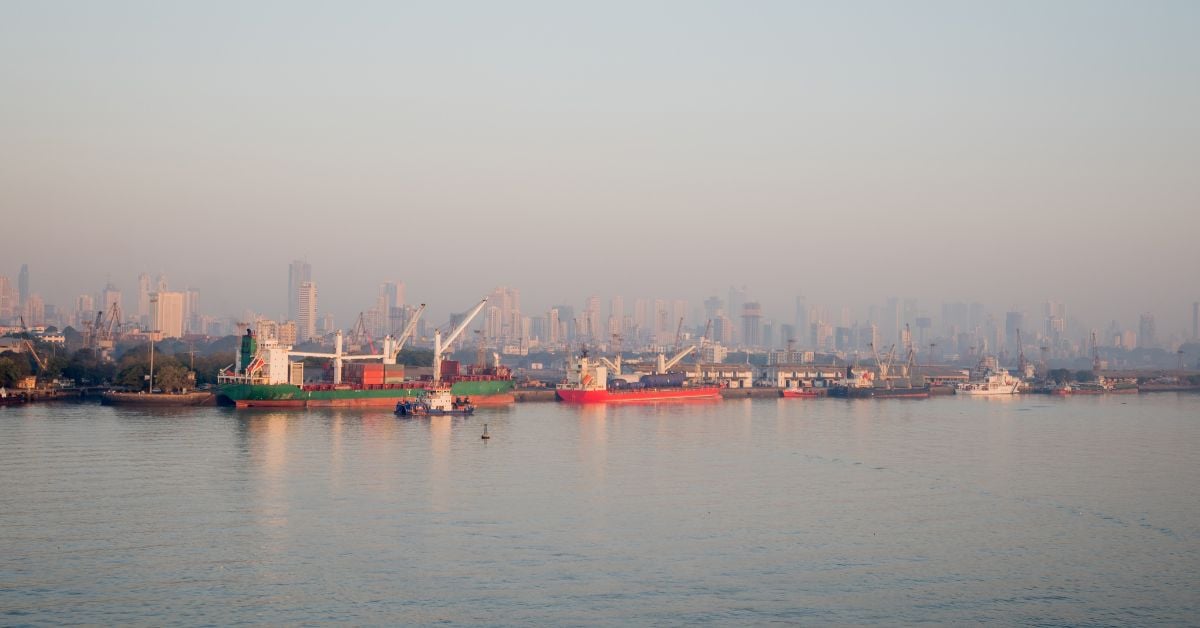
India’s first blue-financing network is shaping up with a Rs 650 crore shore-power project at Mumbai’s Jawaharlal Nehru Port. It is also being called the first blue financing for a port project in the entire-Asia Pacific region.
The plan is to build offshore power infrastructure for ships berthed at the port, allowing them to obtain power from the shore system without using their diesel generators.
For this, the port authority has entered into an arrangement with the International Finance Corporation (IFC). According to authorities, the project would cut harmful emissions by 63%, decrease air pollution by 90% and generate over 400 jobs.
Vessels berthed at the port would use 119,084 MWh of shore power each year and avoid around 71,282 tonnes of carbon dioxide emissions.
The project, expected to be completed by 2028, would enable ships at berth to connect to the onshore power network instead of using auxiliary diesel engines to fulfil onboard requirements.
According to sources, the project will span two to three years and progress in a phased manner, leading to the installation of cable systems, frequency converters and shore-side connection points at many berths along with 33-Kv substations.
According to JNPA, no Indian port has yet deployed shore power at scale, making this a pioneer project which could prompt wider adoption of the technology.
Shore power would be available at all terminals of the port except the Liquid cargo terminal. Though JNPA offers onshore power to port craft, the new endeavour aims to expand the facility for large ocean-going vessels as well.
The chairperson of the port, Gaurav Dayal, said that receiving funds from international bodies like the IFC would allow JNPA to manage risks arising at the early stages of project development and also build experience through investing in research and development.
Vessels would also require compatible equipment to connect to the shore-power system; hence, cooperation with shipping companies and operators is important for its wider adoption.
The project is a part of the Harit Sagar Green Port Guidelines and Maritime India Vision 2030, which aims to introduce cleaner technologies at the country’s ports and make the country self-reliant.
The Division Director at the IFC South Asia, Manuel Reyes Retana, said that the investment shows the potential of sustainable financing in the country’s maritime sector.
Disclaimer :
The information on this website is for general purposes only. While efforts are made to ensure accuracy, we make no warranties of any kind regarding completeness, reliability, or suitability. Any reliance you place on such information is at your own risk. We are not liable for any loss or damage arising from the use of this website.
RELATED POSTS


Disclaimer :
The information on this website is for general purposes only. While efforts are made to ensure accuracy, we make no warranties of any kind regarding completeness, reliability, or suitability. Any reliance you place on such information is at your own risk. We are not liable for any loss or damage arising from the use of this website.

About Author
Zahra is a maritime writer with 6 years of technical writing experience spanning port operations, offshore wind, oil and gas, and maritime policy. Her analytical edge...Read More ->
Related Articles
Subscribe To Our Daily Newsletter
By subscribing, you agree to our Privacy Policy you can unsubscribe anytime.


