
India’s Dibrugarh To Re-Enter River Trade Almost 80 Years After Independence
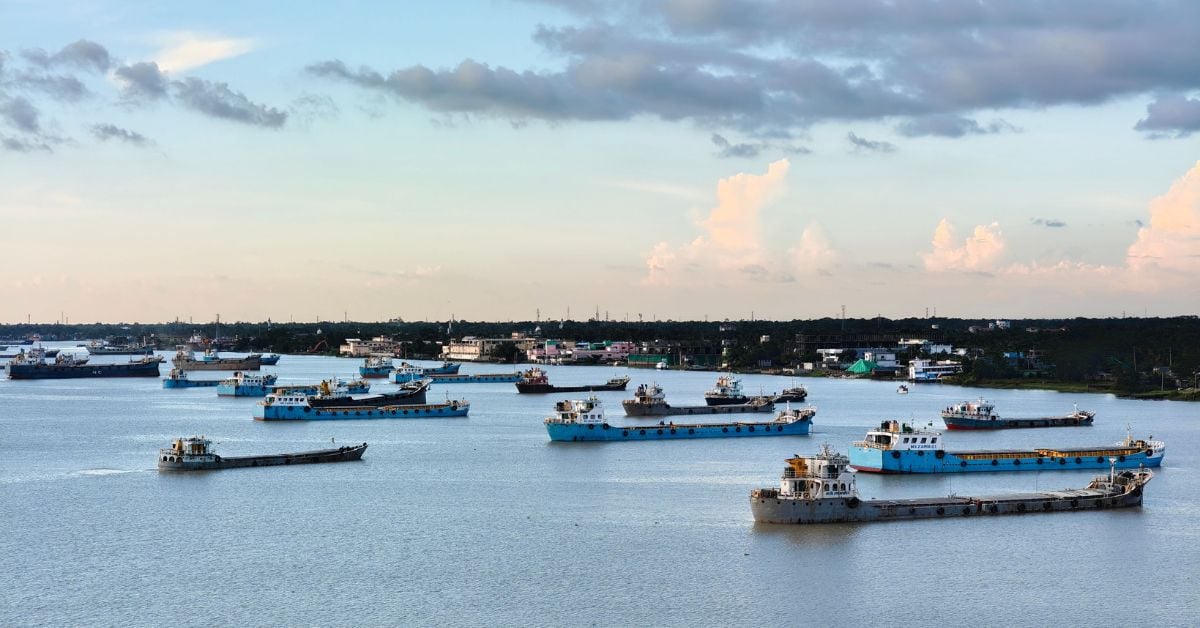
India’s Dibrugarh is re-entering international river trade by shipping a cargo of methanol from Bogibeel to Bangladesh on two ships next month.
The vessels loaded with a total of 1080 tonnes of methanol would be launched from the newly built inland water shipping terminal at Bogibeel, almost eight decades after independence.
Each vessel would carry 27 shipping containers, with every unit holding 20 tonnes of methanol cargo through the national waterway 2 along the Brahmaputra River.
The cargo has been manufactured by Assam Petro-Chemicals Ltd (APL) at Namrup and is packed in 54 ISO tank containers.
The Bogibeel terminal has a customs station, cargo jetty, and a warehouse, while a lighthouse and regional centre are being constructed. This would open up new trade routes and opportunities, helping strengthen the local economy and communities of Assam, a state in northeastern India.
The distance between Bogibeel and Bangladesh is 783 kilometres, and the entire journey is estimated to take 7 days to complete.
This decision would restore inland shipping in Assam, where one ship called DLB Patkai had remained idle for three decades under the state’s inland water transport department before it was leased and refurbished by APL at Pandu in the capital city of Guwahati.
The Chairman of APL, Bikul Deka, stated that the cargo shipment could unlock greater trade opportunities via the Brahmaputra. He also said that export operations could reduce freight costs and support broader river-based trade.
Poojan Kumar, officer-in-charge at Bogibeel port, said that the terminal provides a gateway for regional goods to international markets.
He explained that goods from Brahmaputra Cracker and Polymer Ltd, petroleum products, coal, and tea could use the waterway.
Agricultural products, such as Kaji Nimbu, bhut jolokia, and black pepper, may also find new export markets. Regular services are planned for the terminal, and stakeholders are confident that the river will regain its strategic role in regional trade.
RELATED POSTS


RELATED POSTS
Disclaimer :
The information on this website is for general purposes only. While efforts are made to ensure accuracy, we make no warranties of any kind regarding completeness, reliability, or suitability. Any reliance you place on such information is at your own risk. We are not liable for any loss or damage arising from the use of this website.

About Author
Zahra is a maritime writer with 6 years of technical writing experience spanning port operations, offshore wind, oil and gas, and maritime policy. Her analytical edge...Read More ->
Disclaimer :
The information on this website is for general purposes only. While efforts are made to ensure accuracy, we make no warranties of any kind regarding completeness, reliability, or suitability. Any reliance you place on such information is at your own risk. We are not liable for any loss or damage arising from the use of this website.
Related Articles
Subscribe To Our Daily Newsletter
By subscribing, you agree to our Privacy Policy you can unsubscribe anytime.


