
Global Dual-Fuel Fleet Surpasses 500 Active Vessels As Investment Exceeds $200 Billion, WSC Reports
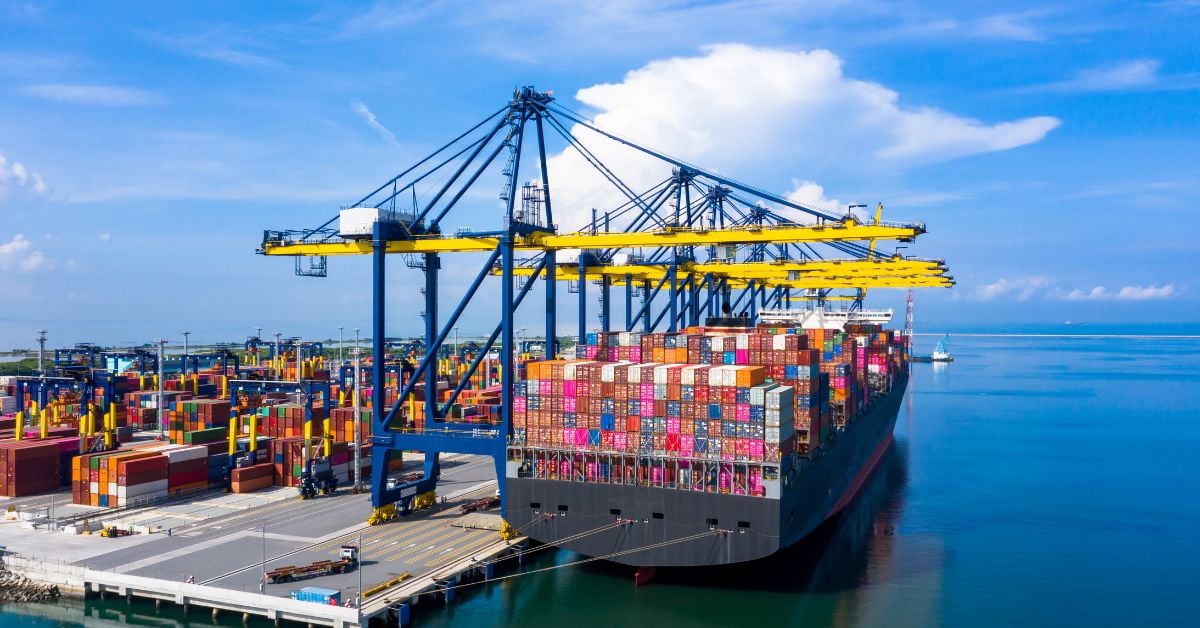
The World Shipping Council’s data suggest that there are over 500 dual-fuel container vessels and vehicle carriers in the world, with the investment in these ships, both delivered and currently on order, already exceeding 200 billion dollars.
There are 503 dual-fuel vessels in the active fleet, an increase of 41% from the 358 in September 2025. Additionally, 849 ships are being constructed, bringing the total delivered or on order to around 1352 vessels.
Dual-fuel vessels are those ships that can operate on traditional marine fuels and also alternative options such as methanol or hydrogen, which are sustainable since they reduce greenhouse gas emissions, thus reducing the maritime industry’s carbon footprint.
Joe Kramek, the president and chief executive officer of the World Shipping Council, said that investments in dual-fuel vessels are increasing; however, to make them competitive and profitable, the infrastructure to handle them also needs to be upgraded so they can deliver optimum performance.
He also said that ships being ordered today will remain in service for decades; hence shipping companies and producers of clean maritime fuel need to make conscious decisions as they would share the future fleet and alternative fuel supply chains.
Kramek said that a global measurement was needed which must be consistently enforced so companies and investors would develop confidence in the profitability of alternative fuels.
He concluded by calling upon IMO member countries to come together and develop a framework to achieve the above through close collaboration. Each delay means more uncertainty, making the transition more difficult and more expensive for the economy.
Sources suggest that dual-fuel ships remain the primary choice for owners as pressure to decarbonise the global shipping fleet increases. The demand is driven by two vessel categories, i.e container ships and vehicle carriers or RORO vessels.
By deadweight tonnage, dual-fuel container ship orders account for 65% and vehicle carriers comprise 97%, compared with 23% across the rest of the shipping fleet.
Additionally. As the total orderbook has also increased, orders for traditional ships have also risen this year, given the situation in the Gulf, where increased Ship-to-Ship transfers and rising oil prices have created a demand for oil tankers.
RELATED POSTS


Disclaimer :
The information on this website is for general purposes only. While efforts are made to ensure accuracy, we make no warranties of any kind regarding completeness, reliability, or suitability. Any reliance you place on such information is at your own risk. We are not liable for any loss or damage arising from the use of this website.

About Author
Zahra is a maritime writer with 6 years of technical writing experience spanning port operations, offshore wind, oil and gas, and maritime policy. Her analytical edge...Read More ->
Disclaimer :
The information on this website is for general purposes only. While efforts are made to ensure accuracy, we make no warranties of any kind regarding completeness, reliability, or suitability. Any reliance you place on such information is at your own risk. We are not liable for any loss or damage arising from the use of this website.
Subscribe To Our Daily Newsletter
By subscribing, you agree to our Privacy Policy you can unsubscribe anytime.


