China Secures Over 80% of Global Ship Orders In First 9 Months, Consolidating Its Maritime Dominance
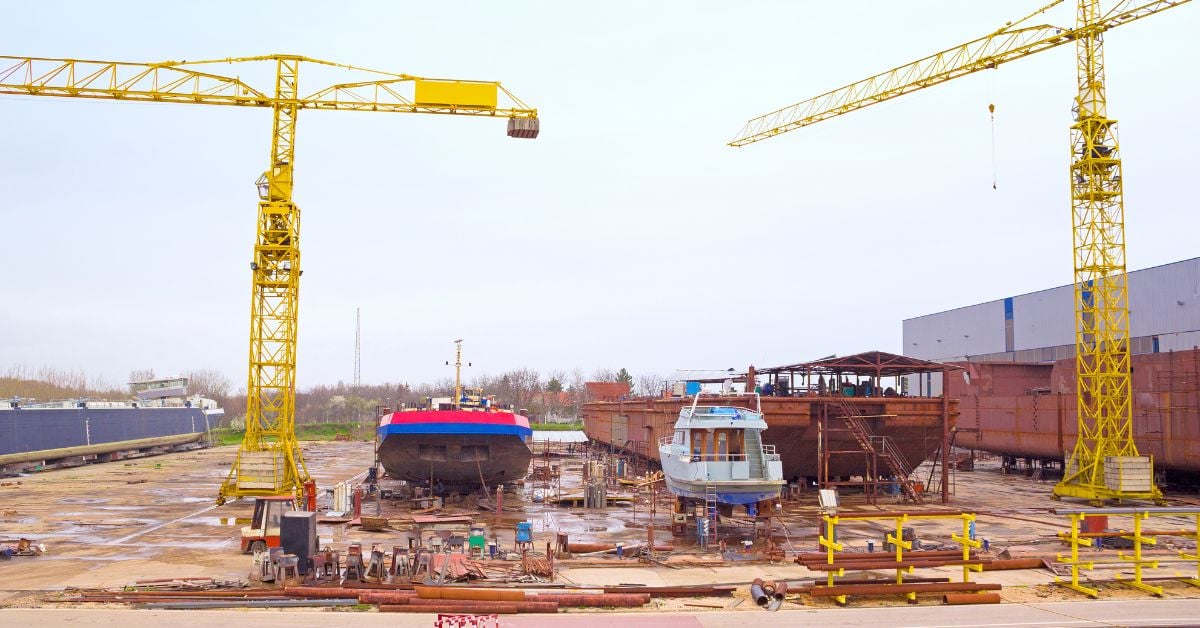
China now leads the world in new ship orders, with its shipyards securing almost 81.8% of them in the first 9 months of 2026, according to official data revealed by the Ministry of Industry and Information Technology.
Demand is also strong, given the current geopolitical situation in the Gulf region, where ship-to-ship transfers outside Hormuz have increased and created demand for more crude tankers.
By the end of last month, total orders reached 399.13 million deadweight tonnes, up 64.8% year on year. In the first 3 quarters of 2026, Chinese yards completed ships with a total carrying capacity of 58.05 million DWT, more than 63% of the global total.
Chinese media outlets highlighted the role of domestic suppliers in meeting requirements and supporting the Chinese shipbuilding industry’s global dominance.
Experts said that the shipbuilding market is expected to remain strong, with Beijing expected to reap the largest share of the profits.
According to sources, container ship remains the biggest category accounting for almost 40% of the global order book till now along with very large crude carriers or VLCCs with shipowners in Europe leading the demand.
There are around 930 Very Large Crude Carriers in the world, and 20% of them are over 20 years old. Such ships are usually scrapped after they reach 20-25 years of service life. The need to build new VLCCs is driving up replacement orders, and most of these have also gone to Chinese yards.
Apart from the performance in these two vessel categories, China is also pioneering the green transition and decarbonisation by securing 74.1% of orders for vessels powered by alternative fuels like ammonia, hydrogen and methanol, a 5.7% rise from the January-June quarter.
Several factors are responsible for China’s dominance in global shipbuilding, such as low construction costs compared to South Korea and Japan, which are its competitors. China also has abundant raw materials and domestic steel production with supply chains that are self-reliant for most projects.
Chinese yards have also closed the technological gap and brought advanced onboard systems and equipment to build sophisticated LNG and dual-fuel vessels at a large scale. State-owned banks and financial agencies offer attractive payment packages to foreign shipping companies.
RELATED POSTS


Disclaimer :
The information on this website is for general purposes only. While efforts are made to ensure accuracy, we make no warranties of any kind regarding completeness, reliability, or suitability. Any reliance you place on such information is at your own risk. We are not liable for any loss or damage arising from the use of this website.

About Author
Zahra is a maritime writer with 6 years of technical writing experience spanning port operations, offshore wind, oil and gas, and maritime policy. Her analytical edge...Read More ->
Disclaimer :
The information on this website is for general purposes only. While efforts are made to ensure accuracy, we make no warranties of any kind regarding completeness, reliability, or suitability. Any reliance you place on such information is at your own risk. We are not liable for any loss or damage arising from the use of this website.
Subscribe To Our Daily Newsletter
By subscribing, you agree to our Privacy Policy you can unsubscribe anytime.