
Tanker Struck By Limpet Mines In Strait of Hormuz In First Such Attack Since 2019
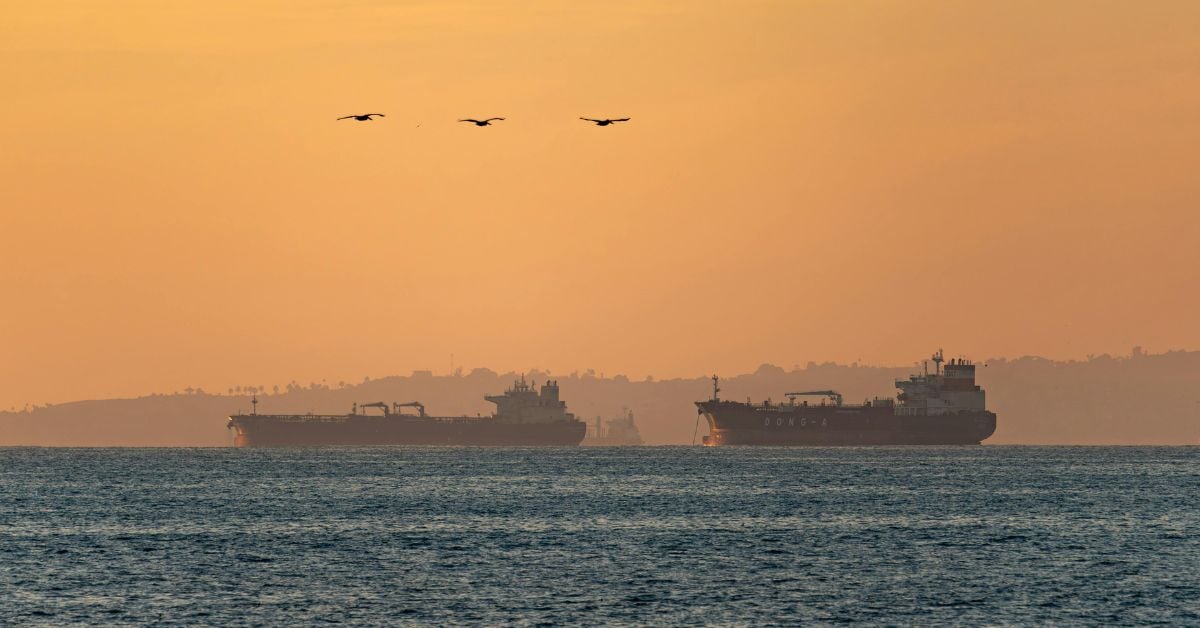
Iran has redirected its naval strategy amidst the threat of fresh US and Israeli strikes by broadening its attack areas in the Gulf waters.
In a latest incident, Iran used a speedboat to target a tanker in the Strait of Hormuz by attaching two limpet mines to its hull.
This is the first time that explosive devices have been used by the Islamic Republic since 2019. The incident unfolded on Thursday night when the Dubai-owned vessel Louise 1 was sailing across the dangerous waterway.
Two maritime security companies confirmed that individuals on the boat struck the limpet mines above the waterline which then detonated, causing an engine room fire.
The vessel sailed to an anchorage off Khor Fakkan on the UAE’s south coast. In 2019, at least four ships, one of them being Japanese and another Norwegian, were targeted using the Limpet Mines in the Gulf of Oman. These devices are named after limpet shellfish which cling to rocks on the coast.
Even during those times, tensions between Iran and the West were high after Trump decided to reimpose sanctions against Tehran’s nuclear programme and withdraw from the nuclear agreement.
Iran has decided to bring back these limpet mines as it intensifies a campaign to disrupt shipping operations in Hormuz.
However, tankers loaded with oil continue to sail across the maritime chokepoint, though the number has dwindled since the war began in February after the U.S. and Israel launched strikes at Iran.
Meanwhile, U.S President Donald Trump has warned allies in the Middle East to offer support in the potential military campaign against Iran.
Martin Kelly, chief executive of the maritime security consultancy Orbital Risk Intelligence, said that Iran was doing every possible thing to stop ships from passing through Hormuz.
It was even issuing false information campaigns about vessels being attacked by drones or being struck by naval mines while trying to seek U.S help and using the ‘unauthorised’ southern route to cross Hormuz.
Iran has also widened its area of operations and increased the tempo of attacks in the past few weeks. October saw the heaviest period of strikes against ships since the advent of war.
The use of limpet mines could further raise insurance costs and operational costs by raising uncertainty and fear among ship operators.
The majority of vessels are sailing through Omani waters, and hence they are not allowed to have armed guards but response officers from security consultancies on the bridge who advise the crew as they sail across the risky waters.
RELATED POSTS


Disclaimer :
The information on this website is for general purposes only. While efforts are made to ensure accuracy, we make no warranties of any kind regarding completeness, reliability, or suitability. Any reliance you place on such information is at your own risk. We are not liable for any loss or damage arising from the use of this website.

About Author
Zahra is a maritime writer with 6 years of technical writing experience spanning port operations, offshore wind, oil and gas, and maritime policy. Her analytical edge...Read More ->
Disclaimer :
The information on this website is for general purposes only. While efforts are made to ensure accuracy, we make no warranties of any kind regarding completeness, reliability, or suitability. Any reliance you place on such information is at your own risk. We are not liable for any loss or damage arising from the use of this website.
Subscribe To Our Daily Newsletter
By subscribing, you agree to our Privacy Policy you can unsubscribe anytime.


