


Top 12 Maritime Books Every Seafarer Must Have
The maritime industry is constantly changing and so are the rules and regulations which govern it. These shipping rules and regulations are written and implemented in the form of codes and conventions by the International Maritime Organization (IMO).
Every seafarer working on ships are bound by these codes and conventions, which are constantly changing due to factors affecting the maritime industry.
Maritime Books by International Maritime Organization (IMO) provide details of the shipping laws which are to be implemented and
followed by seafarers and shipowners at the sea.
In this article, we have brought to you the top ten (and more) maritime books which must be there in the collection of every seafarer.
Whether you are a deck officer, marine engineer, or crew member, these maritime books are extremely valuable throughout the course of your career at sea.
1. STCW – Standards of Training, Certification, and Watch-keeping
The STCW Convention deals with standards of competence required by seafarers to join merchant vessels. It includes new training and certification requirements and methodologies, requirements of hours of work and rest, medical fitness standards for seafarers, and prevention of drug and alcohol abuse. The STCW convention is a must-read for all seafarers

- International Maritime Organization (Author)
- English (Publication Language)
- 356 Pages - 01/01/2011 (Publication Date) - International Maritime Organization (Publisher)
2. MARPOL
MARPOL is one of the most important maritime regulations today. Marine pollution (MARPOL) regulation deals with the prevention of marine pollution by harmful substances discharged from ships. It consists of six annexes for controlling and eliminating marine pollution.

- Hardcover Book
- Unknown (Author)
- English (Publication Language)
- 488 Pages - 01/01/2006 (Publication Date) - International Maritime Organization (Publisher)
3. International Safety Management (ISM) Code
The International Safety Management Code (ISM) is one of the important regulations of the SOLAS Convention which deals with the safety of seafarers at the sea through safe management of shipping operations. ISM code publication is an essential reference for shipping owners, operators, companies, and maritime institutes. The code explains safe management practices for safety at sea and avoidance of damage to the environment.

- IMO (Author)
- English (Publication Language)
- 96 Pages - 04/01/2018 (Publication Date) - IMO (Publisher)
4. Safety of Life at Sea (SOLAS)
SOLAS or Safety of Life at Sea is one of the most important maritime conventions. It deals with the safety of the lives of seafarers at sea and describes requirements for all merchant ships to comply with the minimum safety norms in its chapters. This is one important book for all seafarers and shipowners.

- Used Book in Good Condition
- Hardcover Book
- international-maritime-organization (Author)
- English (Publication Language)
- 420 Pages - 04/26/2024 (Publication Date) - International Maritime Organization (Publisher)
5. Life-Saving Appliance (LSA) Code
The Life Saving Appliance (LSA) Code was adopted by the International Maritime Organization (IMO) to provide international requirements for life-saving appliances, including personal protective equipment such as life jackets, immersion suits, visual aids, thermal protective aids etc.

- Hardcover Book
- International Maritime Oraganization (Author)
- 04/25/1993 (Publication Date) - International Maritime Oraganization (Publisher)
6. Procedures for Port State Control (PSC)
Port State control (PSC) is an important procedure that is carried out on all ports around the world to find deficiencies in foreign ships and to increase maritime safety and prevent marine pollution. Procedures for Port State Control provide basic guidance to conduct inspections of ships worldwide and harmonize the criteria for the application of control procedures.

- English (Publication Language)
- 148 Pages - 01/01/2012 (Publication Date) - IMO (Publisher)
7. Fire Test Procedures (FTP)
The International Code for application of fire test procedures provides international requirements for laboratory testing, type-approval, and fire test procedures for products referenced under SOLAS Chapter II-2. It includes tests for non-combustibility, tests for smoke and toxicity, tests of “A”, “B” and “F” class divisions, tests for fire door control systems, tests for surface flammability etc.

- unknown author (Author)
8. Cargo Storage and Securing (CSS) Code
The Cargo Storage and Securing (CSS) Code provides guidance for safe working conditions for securing containers on the deck of the ship. It also deals with safe stowage procedures and the storage of vehicles in ships.

- International Maritime Organization (Author)
- English (Publication Language)
- 145 Pages - 01/01/2011 (Publication Date) - International Maritime Organization (Publisher)
9. IMSBC Code and Supplement
The International Maritime Solid Bulk Cargoes Code and Supplement provide information on safe stowage and shipment of solid bulk cargoes. It informs on the dangers associated with the shipment of certain types of solid bulk cargoes and gives instructions on the procedures to be adopted when the shipment of solid bulk cargo is contemplated.

- unknown author (Author)
- English (Publication Language)
- 484 Pages - Inter-Governmental Maritime (Publisher)
10. Load Lines convention
The international convention on load lines deals with freeboard and stability of the ship along with potential hazards present in different zones and different seasons. One of the main purposes of this code is to ensure the water-tightness integrity of the ship’s hull below the freeboard deck.

- IMO Publishing (Author)
11. IAMSAR – International Aeronautical and Maritime Search and Rescue Manual
IAMSAR is a manual jointly published by the International Civil Aviation Organization and International Maritime Organization for mobile facilities which are intended to be carried on board ships to help with the performance of search and rescue in times of emergency.

- International Maritime Organization (Author)
- English (Publication Language)
- 06/01/2013 (Publication Date) - Intl Maritime Organization (Publisher)
12. Collision Regulation (COLREG)
The convention of International regulation for the prevention of collision at sea is an essential guide for ship navigation at the sea. The regulations are also known as the “rules of the road” or navigation rules that are to be followed by ships and other vessels at the sea to prevent collision between two vessels.

- Imo (Author)
- English (Publication Language)
- 01/01/2003 (Publication Date) - STATIONARY OFFICE BOOKS (Publisher)
More Important Books from International Maritime Organization (IMO)
1. International Code of Signals

- International Maritime Organization (Author)
- English (Publication Language)
- 01/01/2005 (Publication Date) - Amer Nautical Services (Publisher)
2. PSSA – Particularly Sensitive Sea Areas

- Hardcover Book
- International Maritime Organization (Author)
- English (Publication Language)
- 144 Pages - International Maritime Organization (Publisher)
3. Ship’s Routeing
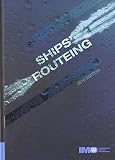
- Hardcover Book
- International Maritime Organization (Author)
- English (Publication Language)
- 1 Page - International Maritime Organization (Publisher)
4. Maritime Security and the ISPS Code
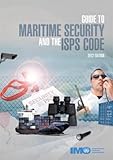
- Guide to Maritime
- Security and the ISPS Code
- Guide to Maritime Security
- Inter-Governmental Maritime Consultative Organization (Author)
- English (Publication Language)
5. GMDSS Manual

- International Maritime Organization (Author)
- English (Publication Language)
- 828 Pages - 12/01/2011 (Publication Date) - Intl Maritime Organization (Publisher)
6. International Maritime Dangerous Goods Code (IMDG)
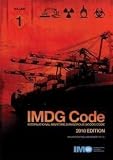
- International Maritime Organization (Author)
- English (Publication Language)
- 2 Pages - 04/26/2024 (Publication Date) - International Maritime Organization (Publisher)
These are some of the most important maritime books which every seafarer must-have.
You may also like to read –
Disclosure: This post may contain affiliate links, meaning we get a small commission if you decide to make a purchase through our links, at no additional cost to you. You can read our full disclaimer here.
We earn a commission if you make a purchase through an affiliate link, at no additional cost to you.

About Author
Raunek Kantharia is a marine engineer turned maritime writer and entrepreneur. After a brief stint at the sea, he founded Marine Insight in 2010. Apart from managing Marine Insight, he also writes for a number of maritime magazines and websites.
Do you have info to share with us ? Suggest a correction
Latest Maritime law Articles You Would Like:


Latest News
- What is the Purpose of DG Shipping?

- What are Logistics Risks?
- How Port and Terminal Operators Can Control Emissions?
- Minimum Quantity Commitment (MQC) and Liquidated Damages in Container Shipping: Concept and Relevance
- MARPOL (The International Convention for Prevention of Marine Pollution For Ships): The Ultimate Guide
- The Ultimate Shipping Container Dimensions Guide



Subscribe To Our Newsletters
By subscribing, you agree to our Privacy Policy and may receive occasional deal communications; you can unsubscribe anytime.
Although a long time has passed after this was posted, I want to say that I miss IMO Standard Marine Communication Phrases in this list. Failure in communication has led to many ship disasters and losses of lives at sea, and IMO SMCP contributes to safety to a great extent.
Please how can i all these books. I will love to buy.
FSS Code?
I think list was drawn up by a Deckie! Not everyone on board needs the Colregs or cargo handling and stowage books. One omission everyone needs is the Maritime Labour Convention 2006. It confers rights for seafarers and others, such as ship suppliers, in case of vessel abandonment.