


Watchkeeper: Why Shipping Will Cost More
It seems to have taken a very long time coming, but the public is at last being alerted to why their shipping is likely to cost more in the future. Six months from the coming into force of the EU Sulphur Directive, letters and articles have appeared in national newspapers pointing out that in the absence of any derogation from this directive, which is due to bite in the new year, the costs of operating ships in the European Emission Control Area will rise substantially.
Ship owners have undoubtedly grasped the reality that the public sympathy is very much on the side of tighter environmental controls and they have wisely elected not to oppose them, merely to point out their likely consequences. Arguably, it is a pity that these consequences, which have been known about ever since the EU decided to accelerate International Maritime Organization requirements, were not widely broadcast at the time. In fact, the warnings were given by all sides of the industry, but somehow they failed to register with the mainstream media and tended to be ignored by the political classes. The industry did its best and only the proximity of the coming into force seems to have now attracted the editors.
It is a moot point as to whether, at any time, the regulators in Brussels really considered the true costs of these regulations, along with the practicability of forcing the industry to embrace technology that is still in an early stage of development. The regulators, of course, will suggest that the end-product of maritime emissions cleansed of most sulphur has a societal benefit that cannot be denied and the timetable is the only practical method of forcing the pace.
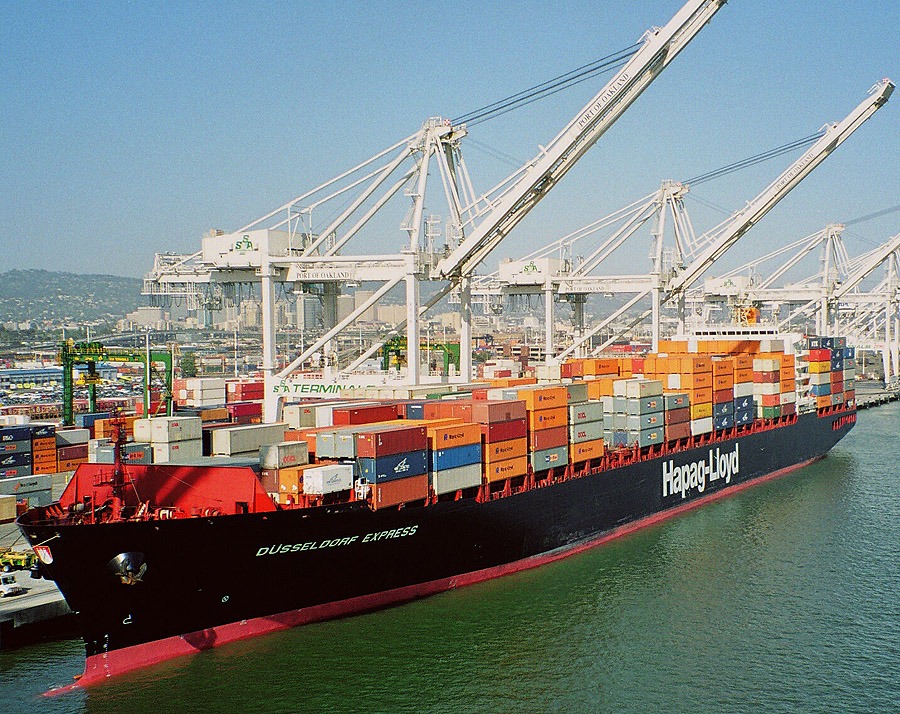
The three “choices” facing the industry of very much more expensive gasoil, LNG, or the use of scrubbers, presents operators with few obvious solutions and the timescale and costs do not appear to pass the test of what is “reasonable”. All the industry can now hope for is a “level playing field” as the new regulations come into force and some sympathetic understanding about the timescale and the possibility that some ships fitted with scrubbers are in fact operating prototype machinery.
Sometimes, in the lengthy discussions that have taken place over these issues in Europe, there seemed to be the impression that the regulators suspected that the industry, in its objections, was “crying wolf” and merely hoping to put off the implementation dates. The remarks of prominent short sea ferry operators in the national press would underline their real concern that there would be a modal shift from their ships, when their cost structures took into account the new regime.
The first “hard” evidence will be seen in the North Sea, when, for the first time in more than 150 years, there will be no ferry link between England and Scandinavia, with DFDS ceasing to operate its service between Harwich and Esbjerg, blaming the effect of fuel costs. The consequences, of course, will be an immediate increase in the amount of truck-miles, as hauliers switch to the road. It is likely that this will be a continuing and worrying trend, with the environment suffering – something of an irony, but no surprise.
Articles written by the Watchkeeper and other outside contributors do not necessarily reflect the views or policy of BIMCO.
Reference: bimco.org
Disclaimer :
The information contained in this website is for general information purposes only. While we endeavour to keep the information up to date and correct, we make no representations or warranties of any kind, express or implied, about the completeness, accuracy, reliability, suitability or availability with respect to the website or the information, products, services, or related graphics contained on the website for any purpose. Any reliance you place on such information is therefore strictly at your own risk.
In no event will we be liable for any loss or damage including without limitation, indirect or consequential loss or damage, or any loss or damage whatsoever arising from loss of data or profits arising out of, or in connection with, the use of this website.
Disclaimer :
The information contained in this website is for general information purposes only. While we endeavour to keep the information up to date and correct, we make no representations or warranties of any kind, express or implied, about the completeness, accuracy, reliability, suitability or availability with respect to the website or the information, products, services, or related graphics contained on the website for any purpose. Any reliance you place on such information is therefore strictly at your own risk.
In no event will we be liable for any loss or damage including without limitation, indirect or consequential loss or damage, or any loss or damage whatsoever arising from loss of data or profits arising out of, or in connection with, the use of this website.
Do you have info to share with us ? Suggest a correction
About Author
Marine Insight News Network is a premier source for up-to-date, comprehensive, and insightful coverage of the maritime industry. Dedicated to offering the latest news, trends, and analyses in shipping, marine technology, regulations, and global maritime affairs, Marine Insight News Network prides itself on delivering accurate, engaging, and relevant information.

About Author
Marine Insight News Network is a premier source for up-to-date, comprehensive, and insightful coverage of the maritime industry. Dedicated to offering the latest news, trends, and analyses in shipping, marine technology, regulations, and global maritime affairs, Marine Insight News Network prides itself on delivering accurate, engaging, and relevant information.

Latest Shipping News Articles You Would Like:



Subscribe To Our Newsletters
By subscribing, you agree to our Privacy Policy and may receive occasional deal communications; you can unsubscribe anytime.