


What are Hell Ships?
World War-time history can be catalogued quite extensively. Naval warfare was an important component during the World Wars. As such various pieces of astonishing history – both positive as well as negative –emerge involving wars and the oceans.
The concept of hell ships is a horrifying legacy, one of the worst reminders of the Oriental involvement in the Second World War.
Hell Ships
Although originally a Nazi terminology, the concept of hell vessels became more infamous after the Japanese started utilising the marine route to transport the prisoners of war. Inhuman conditions with complete disregard for the health, sanitation and sanity of the prisoners led to these ships being anointed with such a title.
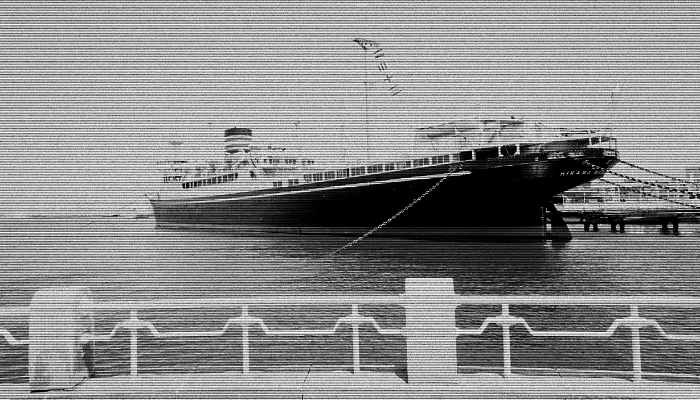
The ships used to transport prisoners of war were suffixed with the title of ‘Maru.’ The word refers to a fortress in native Japanese, which literally added volumes about the vessels’ inconsiderate purpose.
Prisoners of war have been known to be treated very carelessly and harshly across the world. But in circumstances like a World War, the punishment and the treatment meted out to captured soldiers was even worse. The Japanese further heightened this inhumanity to extreme levels.
The utilisation of hell vessels intensified towards the end of the Second World War. One very chilling hell ship anecdote is about the Death March of Bataan in the year 1944 aboard the vessel Noto Maru. Reading the survival stories of people who escaped the March of Bataan, one can only imagine and wonder about the atrocities that transpired in these vessels.
The Prisoners of World War were basically transported either from the Philippines or Singapore to work in Japan, Korea or Taiwan as constrained labourers. While aboard the vessels, these prisoners not only faced severe dearth of food, ventilation and water but also had to deal with the attacks carried out by the Allied Powers.
Many such hell ships were destroyed by Allied Powers’ air and submarine attacks, leaving many POWs dead – either on the ship itself or by unintentional raids.
In a way it can be said that the Japanese purposefully used ships to transport POWs so that they could be killed without any interference from their side. The prisoners contained within a hell ship were used to be bolted and locked so that even when a missile hit the vessel, they had no way of escaping and saving their lives.
One very famous hell ship that was destroyed in such a manner was the Arisan Maru which was sunk in the year 1944 by an American submersible. Of the nearly 1,800 prisoners aboard the ship, only a countable number managed to escape the carnage of which again, only a few were able to successfully elude resultant capture by Japanese vessels.
After over sixty years of the conclusion of the Second World War, political relationships and alliances between countries have changed and fortified enormously. But recalling the severe lows of the World War, like the continuous utilisation of hell vessels, it becomes difficult to talk about world peace or envision a safe and sound future for generations to come.
References: bataansurvivor , britain-at-war
Do you have info to share with us ? Suggest a correction
About Author
Marine Insight News Network is a premier source for up-to-date, comprehensive, and insightful coverage of the maritime industry. Dedicated to offering the latest news, trends, and analyses in shipping, marine technology, regulations, and global maritime affairs, Marine Insight News Network prides itself on delivering accurate, engaging, and relevant information.

About Author
Marine Insight News Network is a premier source for up-to-date, comprehensive, and insightful coverage of the maritime industry. Dedicated to offering the latest news, trends, and analyses in shipping, marine technology, regulations, and global maritime affairs, Marine Insight News Network prides itself on delivering accurate, engaging, and relevant information.

Subscribe To Our Newsletters
By subscribing, you agree to our Privacy Policy and may receive occasional deal communications; you can unsubscribe anytime.