


What are Intrinsically Safe Cameras Used on Ships?
In recent observations by vetting inspectors during tanker ship inspections, use of digital cameras on ships has been regarded as “High Risk” Observation. With tankers safety matters attaining paramount importance in the Oil Companies International Marine Forum (OCIMF), a number of steps have been considered to make oil tanker operations safer.
Fire continues to be a major hazard on tanker ships and has been termed as one of the main reasons for catastrophic incidents involving grave marine pollution. There’s as endless list of tanker accidents which involves destruction of lives and property at sea as a result of explosion or fire.
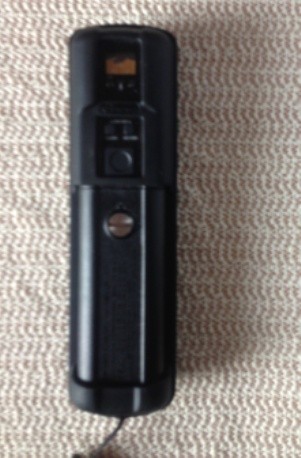
As per the IACS Paper no. 72(2000) Rev. Oct.2003 and April,2007 – Confined Space Safe Practice – Use of non-explosion proof equipment like cameras, torches, chipping hammers, may be allowed provided that it is stated in the Entry permit issued and the space is safe for hot work or safe for workers and LEL is measured to 0%.
Among the various precautions and recommendations by the expert panel of OCIMF, which constantly provides tips to mitigate risks of fire and other accidents during routine or important operations on tanker ships, minimizing risks of fire breakout is of prime importance. A very basic guideline for it is to avoid the source of ignition or to avoid generation of an incendiary spark.
With regards to the above statement, mariners are often required to take and exchange images of ship’s parts and machinery with their technical departments, buyers, suppliers, and several others. The digital cameras readily available in the electronic market are commonly used on on board ships to take pictures in open deck, holds, tanks, hatches and numerous other enclosed spaces.
These cameras use batteries and also have ” flash option”. Both the characteristics are 
In order to tackle with this condition, the maritime industry has introduced using new type of cameras which can take good quality pictures and are intrinsically safe as well.
These explosion proof or intrinsically safe cameras are of “rugged built” and have features such as image and video recording. They also come with all the important accessories that are provided with any normal digital camera. A data cable helps to connect the camera to a personal computer for transferring of the images to the device.
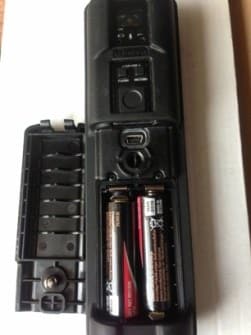
Most of these devices are certified compliant with part 15 of the FCC rules and are made with European Standards. The intrinsically safe cameras also come with a flash and an internal clock set to GMT for providing users to note the date and time at which the pictures are taken.
The intrinsically safe cameras are a major breakthrough for the shipping industry and are a great help to keep control on the mounting graph of loss of life and property as a result of fire on ships. They surely help to rule out one more potential fire hazards from tanker ships – digital cameras.
Do you have info to share with us ? Suggest a correction
Latest Ship Safety Articles You Would Like:


About Author
Abhishek Bhanawat is a chief officer who has worked on various types of tankers. He specializes in Crude Oil and Product Tankers. He is highly passionate about his work and loves to sail.



Subscribe To Our Newsletters
By subscribing, you agree to our Privacy Policy and may receive occasional deal communications; you can unsubscribe anytime.
how to do vetting inspection and what r the key area
I want to learn about the cctv camera that are used and installation process on ships can anyone help me
Crude oil ships may the crew face time thier family or use hangout google video to chat with family or phone calls or WhatsApp video
If this is hazardous please explain