


Hazards of Working in Extreme Heat on Ships
Heat sickness can frequently occur onboard ships due to the extreme temperature and high humidity conditions in which seafarers often work. However, despite the awareness and available preventive measures, there have been a disturbing number of cases where human indifference has resulted in serious illness and even death.
Heat exhaustion
Heat exhaustion usually develops gradually and is caused by loss of salt and water from the body through excessive sweating.
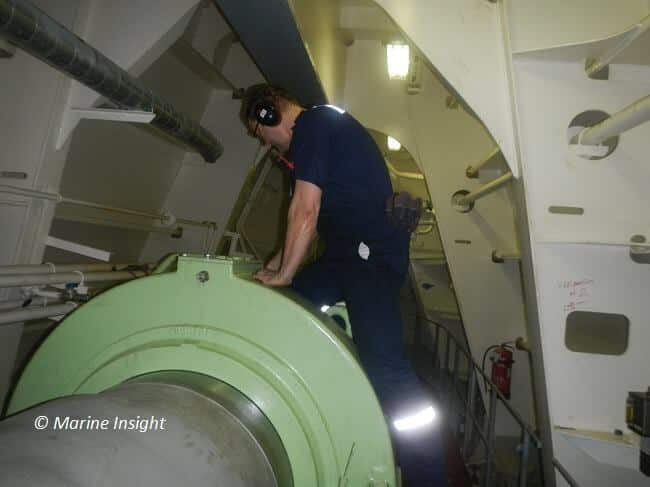
Those who are unwell, especially with illnesses that cause vomiting and diarrhoea, are particularly vulnerable. As the condition develops there may be:
- headache and dizziness;
- confusion;
- loss of appetite and nausea;
- sweating;
- pale, clammy skin;
- cramps in the arms, legs or the abdominal wall.
Perspiration is the body’s best heat-control mechanism but the salt and water that is lost must be replaced. The salt is best taken with food and supplemented by drinks containing salt to prevent heat cramp. In conditions of moderate heat, at least four litres (seven pints) of fluids are required a day, but in high temperatures this increases to six to seven litres (10-12 pints). However, when the atmospheric temperature is the same or higher than the body temperature (37°C), it is no longer possible to lose heat by radiation.
A humid atmosphere will only make matters worse as sweat will not evaporate so readily from the body. Particular care must therefore be taken when working in hot temperatures, especially in engine rooms and other confined spaces. In very hot conditions, as well as drinking plenty of water, seafarers should wear protective clothing that ensures the free circulation of air to allow evaporation of sweat.
Heat stroke
Heat stroke is caused by a failure of the ‘thermostat’ in the brain: the body becomes dangerously overheated due to high fever or prolonged exposure to heat. In some cases it can follow heat exhaustion when perspiration ceases and the body cannot be cooled by evaporation. Heat stroke can occur suddenly, causing unconsciousness within minutes, and on occasion it can be fatal.
Sometimes there will be no indication of what is wrong until it is too late, but there can be warning signs. There may be:
- headache, dizziness and discomfort;
- restlessness and confusion;
- hot, flushed and dry skin;
- a rapid deterioration in the level of response;
- a full, bounding pulse;
- body temperature above 40°C.
In the case of heat stroke, the patient should be wrapped in a cold, wet sheet, which is kept wet until the temperature has fallen to 38°C. The wet sheet can then be replaced with a dry one and the patient carefully monitored. Should the patient’s responses deteriorate, or they become unconscious, ensure their airway is open and check they are breathing. In all cases, expert medical advice should be sought as soon as possible.
Reference: nautinst
Latest Ship Safety Articles You Would Like:

Do you have info to share with us ? Suggest a correction


Subscribe To Our Newsletters
By subscribing, you agree to our Privacy Policy and may receive occasional deal communications; you can unsubscribe anytime.
Web Stories




Some months back at Dammam portdduring Ramadan time we had to suffer 54C ER temp when most of us slept in ECR because both main AC coils had big leaks.we worked upto lunch time and balance work completed in the evening.Crew were very supportive and suffered heat for 3Wk sportingly. Mahendra singh chief engineer
I am ex Seafarer, I worked on 4 point mooring vessel S.China Sea the vessel was 40 years old, air condition can cause Throat Cancer, this is something no one thought about, during the night you breathing polluted air coming through the Air Condition Trunks, Sea Farers (Engineers) should always check the air Trunck Clean enough in Tropical Area.
@Khalid: Thank you very much for this point. It is indeed very dangerous for seafarers health. All sailor on old ship, please note.
@Khalid : Think you are very experienced or victim in this field. When the AHU system supplies to accomodation, keeping ALL areas of accomodation is responsibility of (Deck Officers/Ratings) not Engineers. You may do more research and suggest to seafarers (Deck) how to clean the ducts in accomodation, all carpets/mattresses/ cabin door filters etc.