


The Basics of Troubleshooting Engine Room Machinery
For marine engineers working on ships, troubleshooting problems related to engine room machinery is the most important task they have to deal with on a daily basis.
We often get questions like – what is the best way to troubleshoot a machinery problem? And to be honest there is no one answer to such a question.
Technically, there are several aspects that play important roles in solving an engine room machinery problem.
Though marine engineering training inculcates the very basics of maritime concepts, it is only through hands-on experience that marine engineers understand the vital techniques of engine room operation and maintenance. However, even both of these two factors together are not enough.
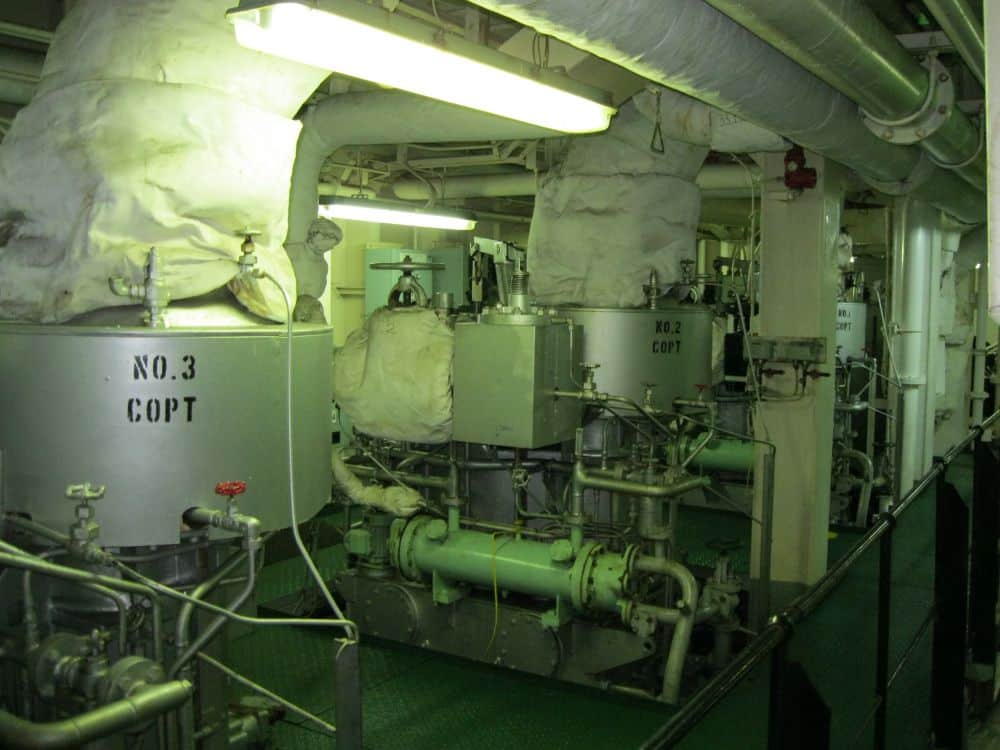
Troubleshooting Ship’s Machinery
The process of troubleshooting ship’s machinery involves three important factors which are as follows:
– Requirement
– Approach
– Learning
Requirements
Though the art of troubleshooting cannot be learnt just from marine engineering books, bookish knowledge is equally important. As important as it is to learn to solve machinery related issues of ships through experience and practical approach, it is equally essential for a seafarer to have a technical background along with following basic requirements:
– A marine engineering course to understand the basic marine machinery skills- A Diploma or Degree
– Practical training with real machinery- Ground or hands-on training in workshops, projects, onboard ships etc.
– Simulation training to enhance the problem-solving capabilities
– Experience – As stated earlier, practical experience is the best teacher and one should never forget its importance
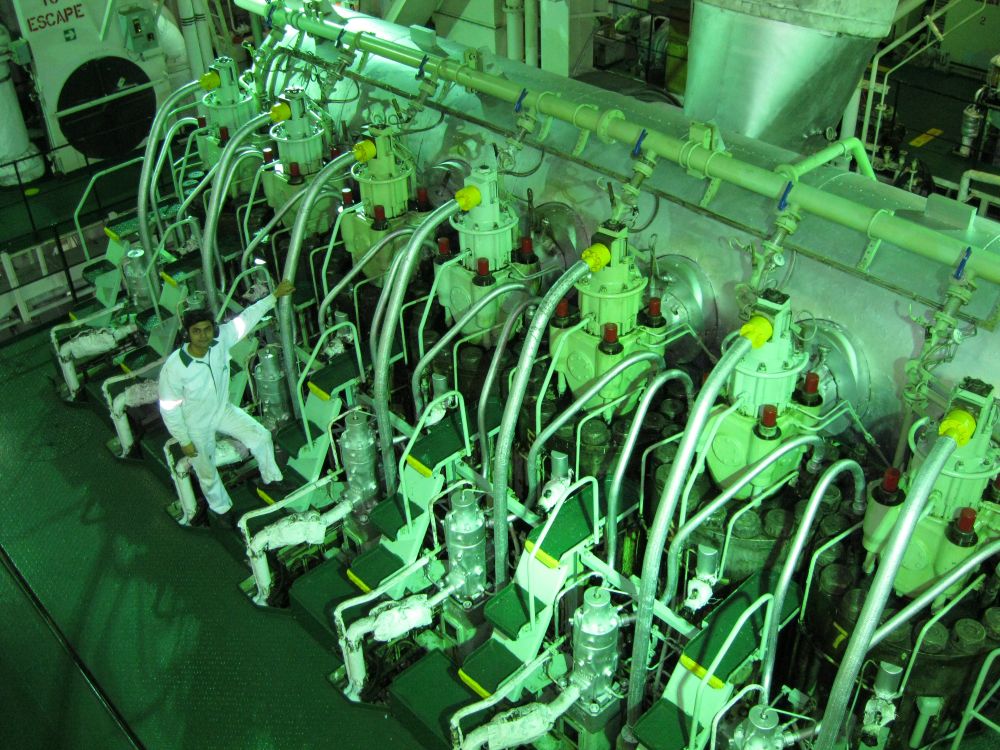
Approach
Though it is mandatory for a person to have all the “requirements” stated above in order to work on ships, those are also not enough. Fulfilling the requirements is just the first step towards successful troubleshooting. The right approach to learning and understand the machinery is one of the three important factors seafarers must consider for troubleshooting. A healthy approach involves:
– Knowing your machinery inside-out
– Learning starting and stopping procedures of engine room machinery thoroughly
– Reading the maker’s manual for a friendly interface and easy understanding, especially the troubleshooting points
– Understanding what makes machinery perform and what are the power sources that are used to operate? Take a look at important factors such as electricity, oil, water, air, temperature etc.
– Checking and knowing the basic parameters and comparing with previous records
– Checking for the most basic faults- malfunctioning of gauges and parameter display panels even when the components are working fine
– Identifying which parameter is abnormal
– Identifying which component or part of the machinery is in fault
– If the identification of troubled component is not possible, start a reverse technique of ruling out the performing component and approaching the faulty one
– Once the component or reason is located, think logically as to where the fault lies – in the region in front or in some other area
– Identify whether other parts connected to the faulty component can be at the trouble
– Rectify the problem once identified immediately
– Test the machinery for satisfactory performance
– If the problem persists, check the same again and also track other connected parts
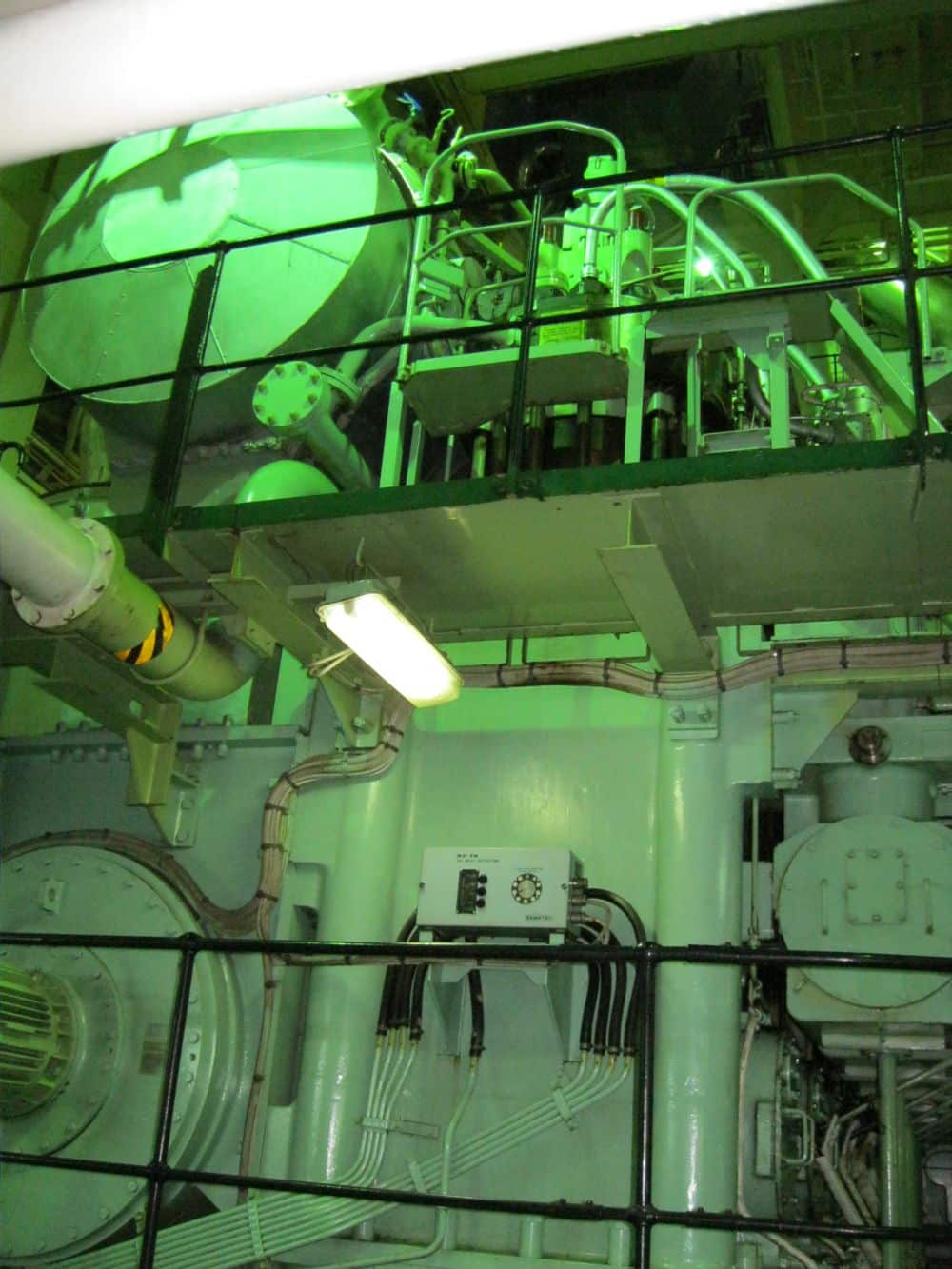
Know more about the right troubleshooting approach here.
Learning
Seafarers often forget that troubleshooting is a continuous learning process. There is no stage such as “know-it-all”. There is something new to learn every day even if one has years of sailing experience. So if sometimes someone is not able to solve a problem at hand, don’t be disappointed. Learn from the issue.
Learning from the last problem tackled always adds on to the experience which can be used for future troubleshooting situations. Once the problem is solved, it is better to discuss the same with your team to find other simpler way of tackling the same issue.
Recording the problem faced, the way it is approached and the method used for solving will not only be helpful in future but also serve as a useful resource for other engineers to solve similar situations quickly and easily.
While working in ship’s engine room, it’s of utmost importance to troubleshoot any problem in a fast and streamlined manner to ensure that the ship’s voyage schedule does not suffer. The above three factors together form the basics of troubleshooting engine room machinery problems.
Learn about troubleshooting all engine room machinery in our Marine Engineering Guide
Do you have info to share with us ? Suggest a correction

About Author
An ardent sailor and a techie, Anish Wankhede has voyaged on a number of ships as a marine engineer officer. He loves multitasking, networking, and troubleshooting. He is the one behind the unique creativity and aesthetics at Marine Insight.

Subscribe To Our Newsletters
By subscribing, you agree to our Privacy Policy and may receive occasional deal communications; you can unsubscribe anytime.
What’s the cause of EMD Engine L16-645E7B shutting down when maneuvering
My engine 6S50MC B&W can’t starting from remote and from engine side… Work done.. change fuel F.O to D.O and trying starting from wheel house then to Engine control room and the last from engine side… But engine still can’t starting… Need help