


10 Toxic Ships of the Shipping World
As necessary entities of the marine world, ships play a significant role in integrating the world in terms of recreation, leisure and more crucially, in terms of commerce and business functionalities. However as important as the role of ships is, there are certain marine environmental precautionary aspects that are mandated and charted by international maritime organisations.
Certain poisonous ships, flouting these prescribed authoritarian norms, are often brought to light when serious and eco-system threatening incidents come to the surface. In the past two to three decades, the damages caused by such toxic ships have led to the emergence of even more stringent laws and by-laws.
The negative impact of such toxic vessels is also felt when these vessels are towed to shipbreaking yards for dismantling and scrapping. Many ship breaking yards face threats because of the remnants of the toxicity in these vessels, which could contaminate the surrounding populace in the location where these yards are located.
Detailed below are 10 such toxic ships which have resulted in an almost-derailment of international shipping operations.
1. Exxon Valdez: The oil spillage incident of Exxon Valdez caused a huge stir in the 1980s with the great tracts of the Pacific Ocean being contaminated substantially.
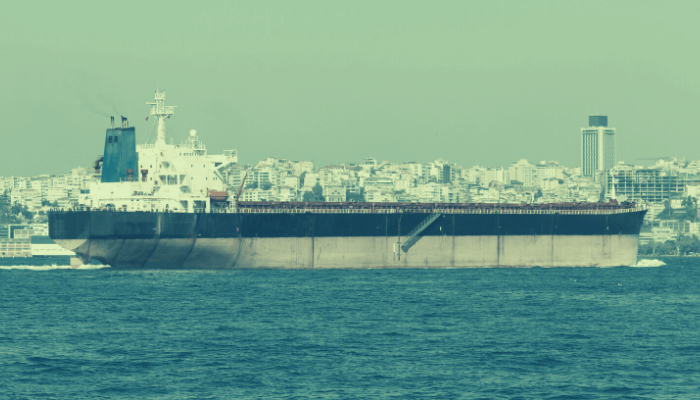
The toxic ship was towed for the purpose of dismantling in the year 2012, after changing operators twice following the incident, to the Indian ship breaking yard at Gujarat. The dismantling operations however were grounded till the Indian law officials strived to ensure that the vessel was toxic-free and there would be no detrimental repercussions following the dismantling.
2. Vessel Lynx: Greenpeace brought the discrepancy about massive loading of poisonous substances aboard the vessel Lynx from a Tuscan port in the year 1987.
Although the vessel’s proprietors and operators denied the vessel being a toxic ship, studies carried out by the NGO proved otherwise and tangible facts about the vessel’s nefarious disposing activities in various African ports and shores emerged.
3. Otapan: In the year 2008, a huge conflict emerged when it came to light that the actual quantity of the mineral amphibole (asbestos) carried in the ship was purposefully misquoted.
According to statistics provided at the time of its proposed dismantling in a Turkish shipbreaking yard, while the toxic ship was supposed to have around a ton of amphibole, its exact quantities were substantially more (almost around 80 tons). The dismantling operation was postponed till the amphibole could be completely cleared off, at the Amsterdam harbour.
4. Probo Koala: The Probo Koala incident occurred in the year 2006 when the city of Abidjan was contaminated with disposed of residuary waste from the processing of naphtha solvent.
Though initially the ship was proposed to be towed to the Chittagong shipbreaking yard in Bangladesh, the refusal of the authorities led to it being towed to the ship breaking yard at Gujarat (Alang), in India.
5. Clemenceau: A noteworthy French aircraft carrying ship, Clemenceau came under negative spotlight as one of the poisonous ships, following huge onslaught by NGOs for allowing the vessel to be tugged to the Indian shipbreaking yard.
Amidst huge protests, several steps were taken by the French government to ensure that all harmful substances aboard the vessel were cleaned before the vessel was dismantled at a well-equipped British ship breaking facility.
6. Onyx: Originally a cruise vessel, the callousness in the dismantling operations of the Onyx became evident after several variances emerged in its proposed utilisation and ultimate eventuality.
The Onyx was expected to be converted into a cargo-carrying ship after its ownership changed hands, though according to expert reports its structure was ill-equipped to be converted so. The toxic ship was finally towed to the ship breaking yard at Pakistan, instead of being converted as earlier proposed.
7. Stena Transfer: The Stena Transfer was highlighted negatively as her owners decided to carry out her dismantling operations in a couple of Chinese shipbreaking yards.
Though protests were raised to counter this move, the Stena Transfer was ultimately sold off as earlier proposed.
8. SS Norway: Alternatively known as the Blue Lady, the SS Norway toxic vessel became a cause of concern as its owners refused to co-operate with prescribed norms while carrying out the dismantling process.
The ship was initially expected to be dismantled at the Chittagong ship breaking yard though refusal by the authorities led to its ultimate towing to the Indian ship scrap yard, where it was yet again rejected by the Indian governmental officials. The ship’s dismantling however occurred while it was aimlessly stranded in a beach in India.
9. SeaFrance Renoir: SeaFrance Renoir’s reputation as a poisonous vessel was brought to light when its owners decided to tow the vessel to the Indian shipbreaking yard.
Several NGOs protested against the move as it was in violation of the prescribed maritime law pertaining to shipbreaking and dismantling.
10. SeaFrance Cezanne: The sister vessel of Renoir suffered from the same fate as Renoir with vociferous opposition coming from environmental protection organisations and agencies with respect to its proposed dismantling.
Maritime authorities have laid several laws pertaining to a vessel’s dismantling in less-equipped shipbreaking facilities, located at comparatively lesser developed countries. Failure to comply with these norms is regarded to be extremely detrimental as it flouts necessarily ordained stipulations. These poisonous ships, specified above, are examples of such flouting which has further compounded their ill-repute as toxic ships.
In the days to come, it would be a welcome development if ship owners and operators stand-by the laid-down laws and follow them as necessary. This would bring about a much needed positivity in the overall scheme of maritime affairs.
You may also like to read – Europe’s Toxic Ships: How Poor Recycling Practices Are Poisoning Asian Beaches
References: arte, koole, shipbreakingplatform
Do you have info to share with us ? Suggest a correction

Subscribe To Our Newsletters
By subscribing, you agree to our Privacy Policy and may receive occasional deal communications; you can unsubscribe anytime.